Research & Technical Content
Research Results Summaries
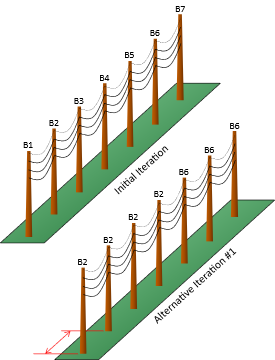
Impact of Geotechnical Investigation Frequency on Design Reliability
This 2025 study investigates the impact of soil boring frequency on the design quality and reliability of transmission line foundations. Using over 2,000 foundation designs derived from geotechnical investigation data taken from transmission line projects, the research attempts to quantify error introduced when soil parameters are assumed rather than measured at each structure location. Four case structures – 115kV H-frame, 115kV monopole, 230kV H-frame, and 230kV monopole – were analyzed to assess the effects of voltage level, structure type, and geographic variability.
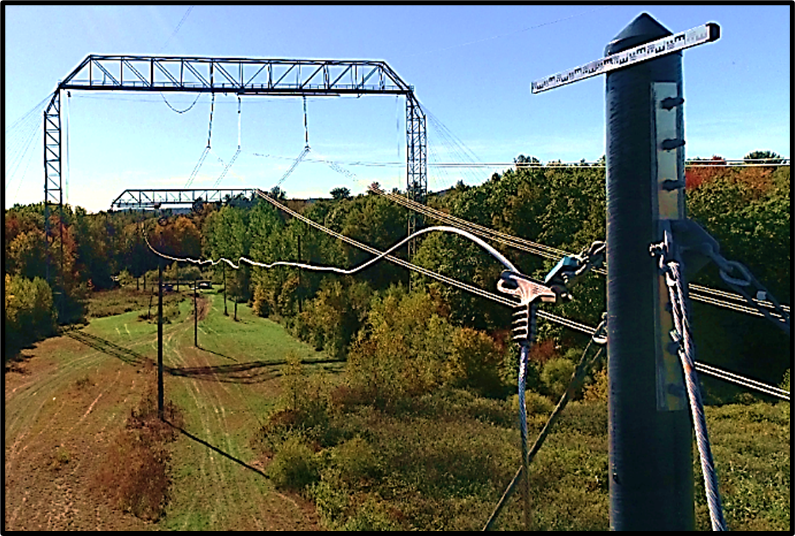
Longitudinal Security Loading: Broken Conductors and Longitudinal Cascades
Careful study of longitudinal security loads reveals that there are two discrete events which may occur on a transmission line, broken wires and longitudinal cascades. Herein EPRI presents recommended method for broken conductor load quantification based upon years of research on its Dynamic Impact Test Line. Also presented is a recommended method for the design of anti-cascading structures.
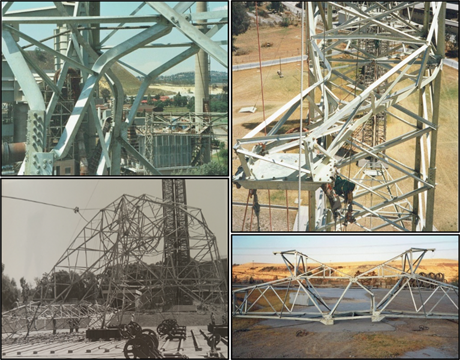
Learning From Failure – Case Studies in Improved Engineering
This project was launched in 2022. With every structural or mechanical failure event, there is a potentially valuable lesson to be learnt by transmission line design engineers. The continued increase in failure events means that there is no shortage of potential events from which valuable design lessons may be extracted. Very often the events leading to failure are multi-dimensional and do not point to a single point of discrepancy. Such documented failures, where the root causes and possible preventative actions are explained, can teach engineers how to become better designers.
Reference Information
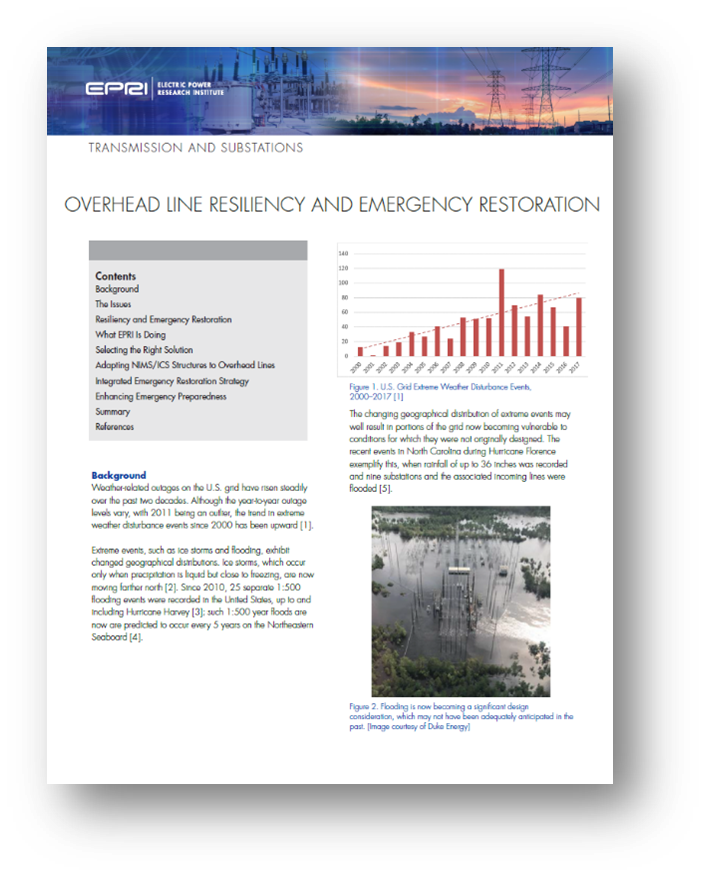
EPRI White Paper on Overhead Line Resiliency
Weather-related outages on the U.S. grid have risen steadily over the past two decades. Although the year-to-year outage levels vary, with 2011 being an outlier, the trend in extreme weather disturbance events since 2000 has been upward.
Videos
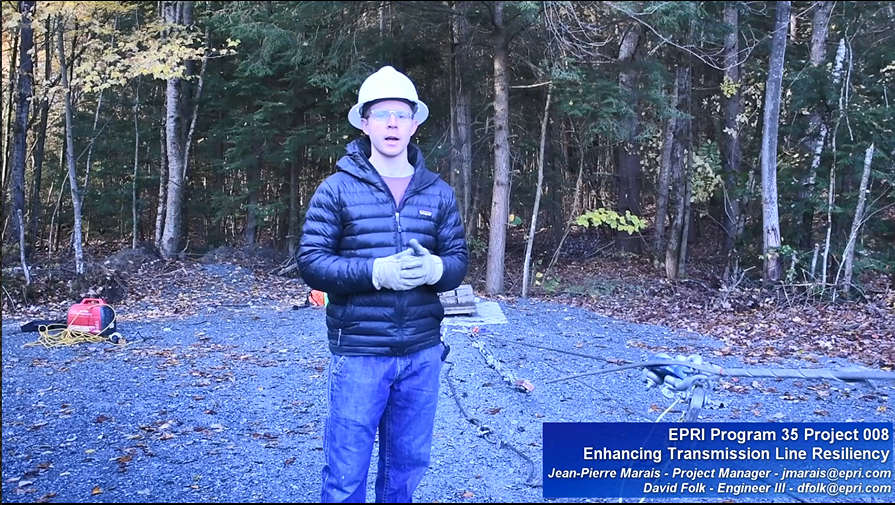
Dynamic Impact Test Line Update Video
EPRI’s Dynamic Impact Test Line in Lenox, MA is used to simulate broken wire events that may occur on a transmission system and quantify the loads experienced by structures. EPRI is conducting research looking at the effect of line parameters including span length, conductor type and tension, and insulator length on dynamic loads. This research will help transmission engineers effectively design structures to be resilient against broken wire events. This video reviews portions of the dynamic impact test line setup and presents a few clips from the broken wire tests.