Research & Technical Content
Collaborative Supplemental Projects EPRI participants can engage EPRI with supplemental projects. When a company funds EPRI annual research, 25% of the funds are set aside as self-directed funds (SDF). Utilities can use this to fund supplemental projects. Please contact your METT for more information on how supplemental project funds are allocated in your utility.
Implementation Opportunities
Supplemental projects can also be one-on-one efforts. Companies allocate their self-directed funds in different ways. Options for these projects can include:
- Field pilots of technologies
- Integration of research results
- Test specific equipment or scenarios
Examples related to current research could include:
- Full-scale structure testing, mechanical or electrical
- Comparative aging performance
Services and Capabilities
EPRI has many capabilities available to utilities as part of research work, supplemental projects, or service agreements. A selection of these include:
- Arc-flash testing
- Forensics and material analysis
- Mechanical and electrical testing of full-scale composite structures
Research Results Summaries
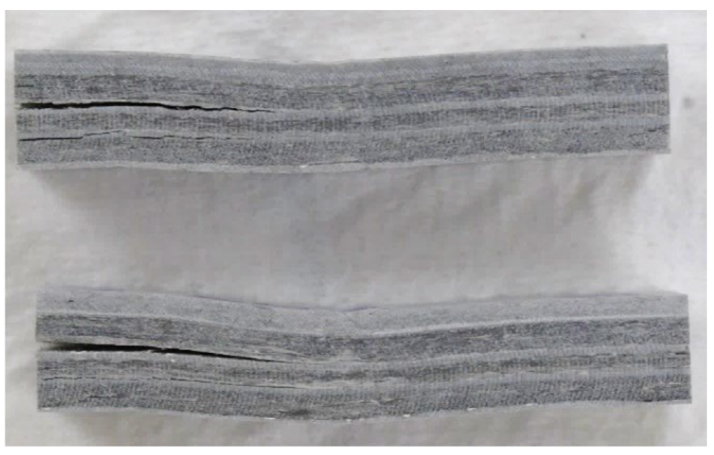
Effect of Temperature on Strength of Composite Poles: Comparison of Performance to Crossarms
This 2020 study evaluates the effect of temperature on the mechanical strength of fiberglass-reinforced polymer (FRP) composite poles. Testing was conducted at temperatures from –40°C to 60°C to simulate extreme service conditions. Results show that short beam shear strength of samples cut from FRP poles decreases at elevated temperatures and increases in cold conditions.
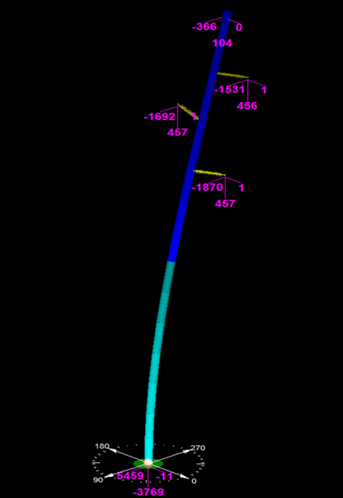
Design Methodology for Composite Poles as Anti-Cascading Structures: 2023 Update – Longitudinal Cascading
In 2025 EPRI completed cantilever tests on ten ductile iron poles , reporting on the ultimate strength values of each. The research was conducted to better understand the failure modes, variability in strength, and tested capacities versus manufacturer ratings.
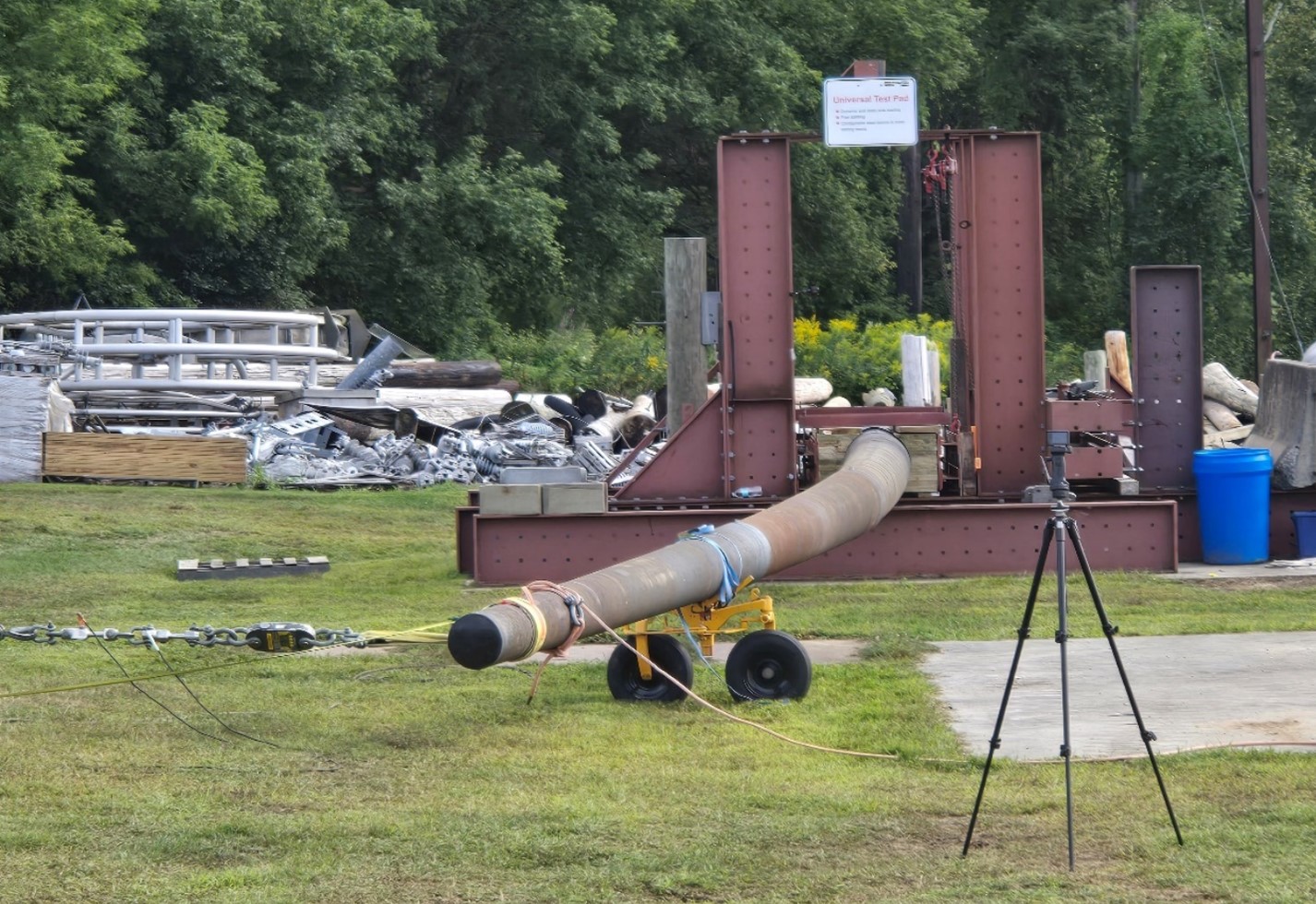
Cantilever Tests on Ductile Iron Poles
In 2025 EPRI completed cantilever tests on ten ductile iron poles , reporting on the ultimate strength values of each. The research was conducted to better understand the failure modes, variability in strength, and tested capacities versus manufacturer ratings.
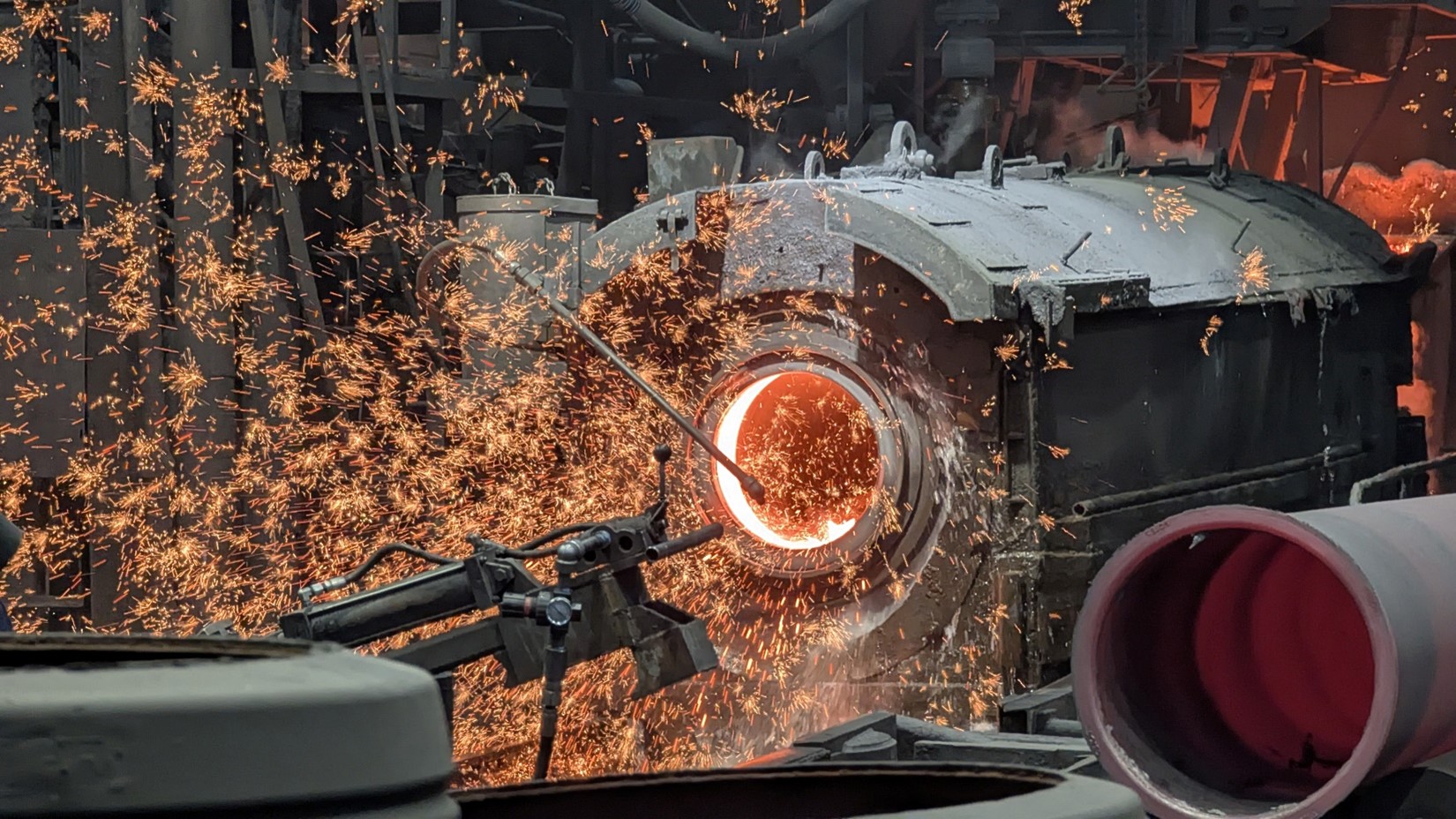
McWane Poles ductile iron facility visit
On April 29th, 2025 EPRI engineers David Folk and Steven Dulin visited McWane Poles’ manufacturing facility in Provo, Utah. Herein is a recounting of that visit in the form of a Q&A, general notes, and photos.
RS Poles GFRP composite facility visit
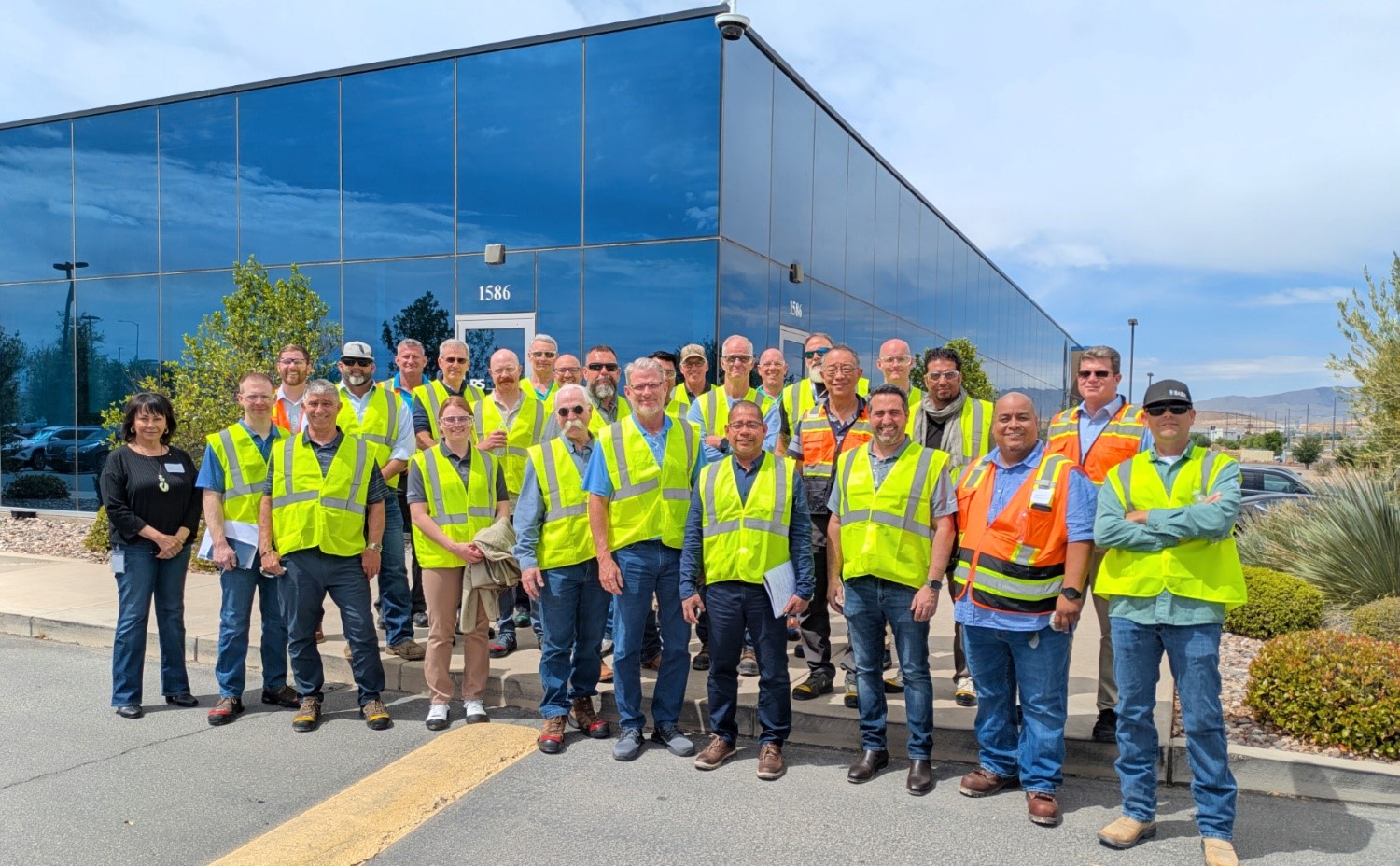
On April 29th, 2025 EPRI engineers David Folk and Steven Dulin visited McWane Poles’ manufacturing facility in Provo, Utah. Herein is a recounting of that visit in the form of a Q&A, general notes, and photos.
Evaluation of Wildfire Protection Methods for Composite Utility Structure Materials
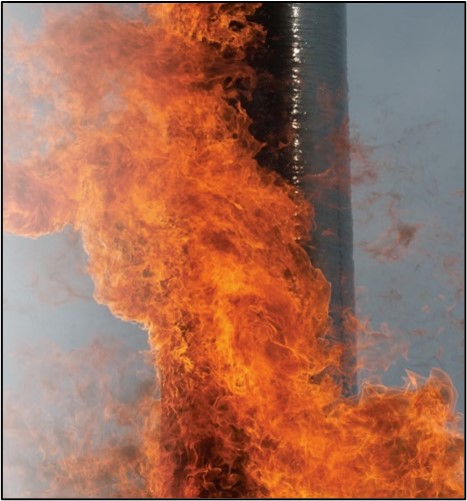
The residual strength of FRP poles subject to wildfire conditions is of key importance to transmission engineers. This 2023 study evaluates the following two wildfire protection methods through experimental testing: application of intumescent coatings and the installation of a thin fire protection sleeve around the composite pole. Results show that both protection methods significantly enhance fire resistance, helping to preserve structural integrity and improving resilience in wildfire-prone areas.
Recommendations for Grounding of Composite Utility Poles
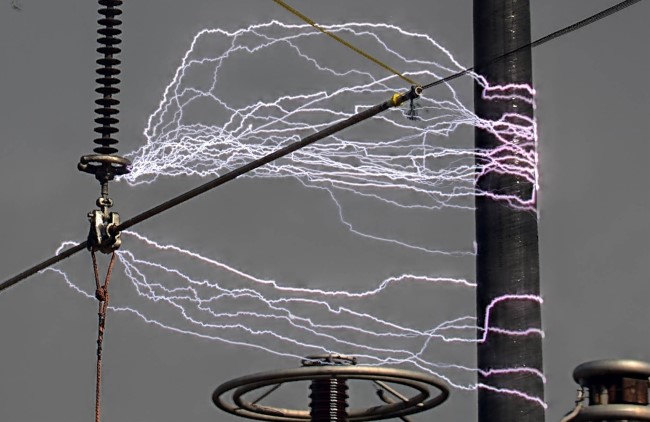
Impulse testing was performed to determine optimum spacings for insulators when utilizing composite poles and crossarms. During testing, several grounding options and their effects on the composite structure were evaluated.
Videos
Loading composite utility poles to failure to understand failure modes
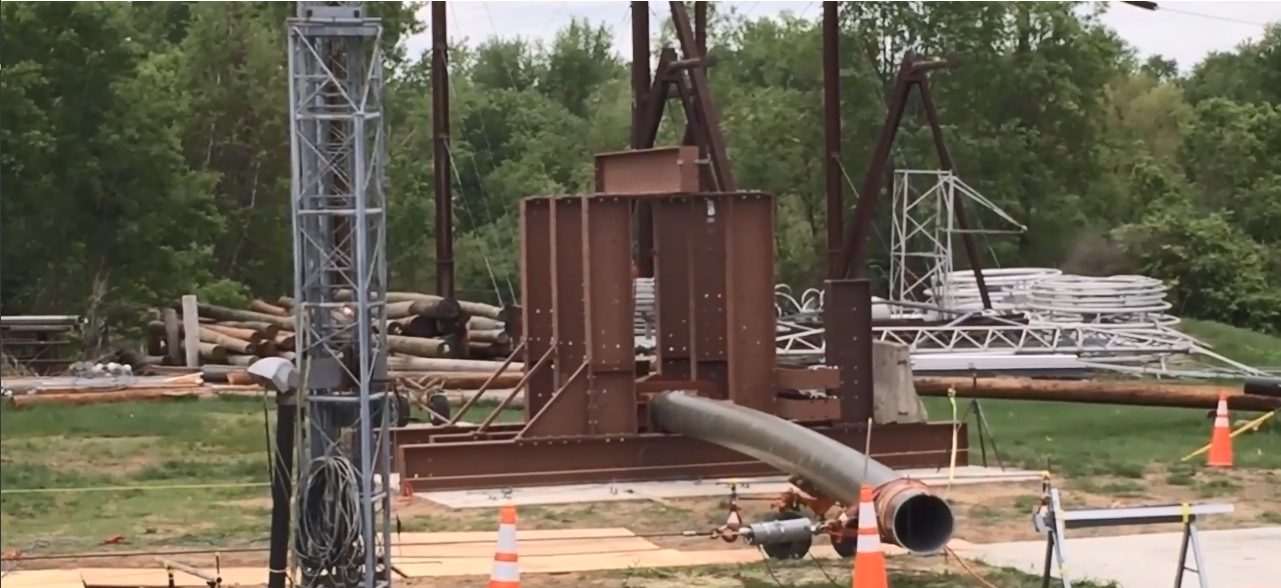
New and aged composite poles from each manufacturer were loaded to failure to compare how their mechanical properties change over time, and the types of failure characteristics experienced. It should be noted that poles from the various manufacturers were not selected based on equivalent performance. Video shows testing of poles in their new condition. Equivalent poles were subjected to accelerated aging for 3 years and then subjected to identical testing to identify any changes in ultimate load and deflection.