P37.102: Circuit Breaker Life Management
Objective
Circuit breakers are critical components of power systems, as they are responsible not only for connecting and disconnecting system elements, but also for interrupting fault currents and isolating faults to protect equipment and maintain system stability. When a circuit breaker fails to perform its intended function, the consequences often include extended outages, equipment damage, and, in severe cases, events that attract regulatory or public scrutiny. This R&D project focuses on the study of high-voltage circuit breakers across their full lifecycle. The objective is to develop a comprehensive understanding of circuit breaker subcomponents, aging and deterioration mechanisms, and dominant failure modes. The outcomes of this research will provide utilities with the technical knowledge and tools needed to enhance lifecycle management strategies, improve reliability, and reduce operational risk associated with this critical asset class.
The expected outcomes of this multi-year research program include:
- Improved methods for assessing aging and condition of gas-insulated switchgear (GIS) and circuit breaker components
- Enhanced understanding and clearer identification of dominant failure modes and degradation mechanisms
- Development and evaluation of innovative leak-sealing techniques for circuit breakers and GIS, applicable to both SF₆-based equipment and SF₆ alternatives
- Exploration and validation of new condition assessment and monitoring techniques
- Evaluation of the diagnostic effectiveness and limitations of offline testing methods
- Development of digital twin models for circuit breakers to support condition assessment, performance prediction, and decision-making
- Knowledge transfer to utility personnel through webcasts, training sessions, technical documentation, and technology transfer workshops
- Creation of collaborative forums to facilitate sharing of lessons learned, failure experiences, and industry best practices
Research Value
This research program is intended to deliver direct and measurable value to utilities by strengthening circuit breaker asset management knowledge, good practices, improving system reliability, optimizing lifecycle costs, and reducing environmental impact associated with SF₆ emissions. Key contributions include:
- Improved circuit breaker reliability through a deeper technical understanding of component-level degradation processes and dominant failure mechanisms, enabling earlier identification of emerging risks and proactive interventions.
- Enhanced capability to anticipate failures by linking observed condition indicators to underlying deterioration mechanisms, supporting predictive and condition-based maintenance strategies rather than reactive approaches.
- Development and transfer of mitigation techniques to temporarily manage and reduce SF₆ leaks, helping utilities minimize environmental impact while longer-term repair or replacement actions are planned and executed.
- Cost optimization through proactive asset management, enabling utilities to anticipate failures, avoid unplanned outages, and defer unnecessary replacements by making informed, risk-based decisions.
- Provision of analytical tools and methodologies to support the implementation of optimized maintenance and replacement strategies, allowing utilities to allocate resources more effectively and prioritize actions based on technical risk and asset criticality.
- Stronger technical foundation for risk assessment and decision-making, improving utilities’ ability to quantify, manage, and communicate operational and environmental risks associated with aging circuit breaker fleets.
Approach
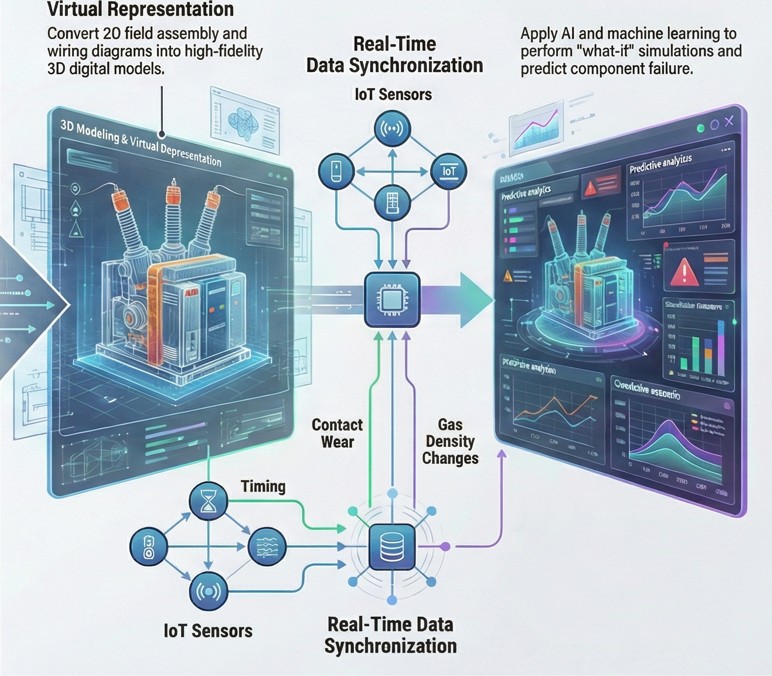
Digital twins are virtual representations that model the performance and behavior of physical assets throughout their lifecycle. By combining field measurements with analytical and physics‑based models, digital twins enable continuous evaluation of asset condition, performance, and degradation over time. In this project, EPRI will investigate digital twin concepts applicable to circuit breakers with the objective of enabling informed, data driven decision making for utility personnel. Activities will include:
-
Identifying priority digital twin use cases to support condition assessment, performance prediction, and maintenance planning
-
Evaluating available data sources, modeling approaches, and enabling technologies
-
Defining practical development pathways and implementation considerations for utility applications
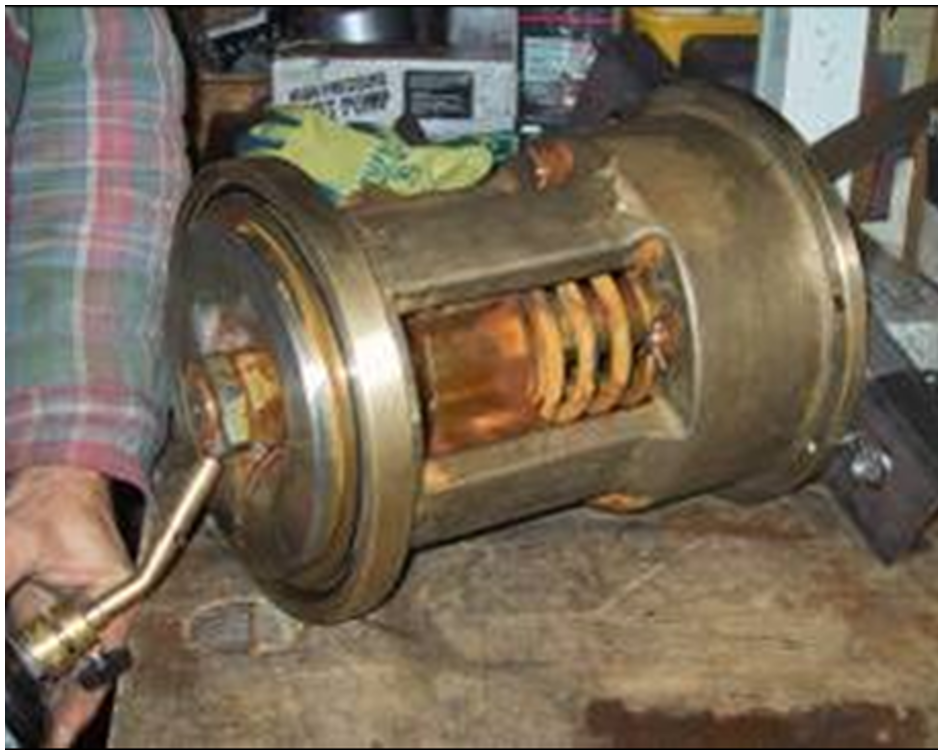
Effect of Component Degradation on Circuit Breaker Operation intends to characterize possible consequences of degraded components on circuit breaker operation (for example, slow trip, abnormal mechanism wear, lubrication breakdown, compressor or pump failures). The planned activities include:
-
Cataloging failure reports, utility root cause analyses, and other information from circuit breaker failure events
-
Documenting utility experiences using digital relays and other tools for circuit breaker diagnostics
-
Updating the EPRI circuit breaker lubrication selection and application guide (originally published in 2015) by assessing the performance of fluorosilicone grease through laboratory testing of field-aged bearings and validating life estimated derived from accelerated aging tests.

Circuit Breaker Online Monitoring Effectiveness Assessment aims to develop and apply assessment metrics to evaluate the effectiveness of various circuit breaker online monitoring technologies and tests, with the objective of informing. Planned work intends to include:
-
Collaborating with funders to identify online monitors of highest interest
-
Reviewing publicly available information to compare claimed capabilities and assess applicability
-
Conducting laboratory testing, where feasible, to compare monitor outputs with corresponding offline test measurements (e.g., breaker timing)
-
Documenting utility experiences with online monitoring solutions
-
Maintaining awareness of commercially available and emerging monitoring technologies
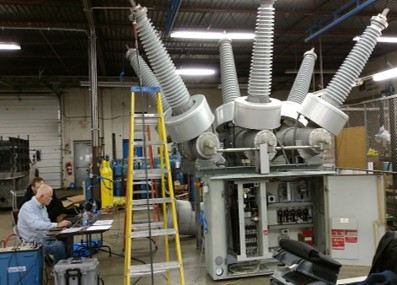
Circuit Breakers Diagnostics Effectiveness Assessment intends to develop and apply metrics to assess the effectiveness of various noninvasive on-line and off-line circuit breaker diagnostic techniques. Tasks intend to be:
-
Expanding efficacy assessments beyond Dynamic Resistance Measurements (DRM) to additional techniques, for example, acoustics, and partial discharge.
-
Scouting commercially available and emerging diagnostic technologies to maintain awareness of evolving practices
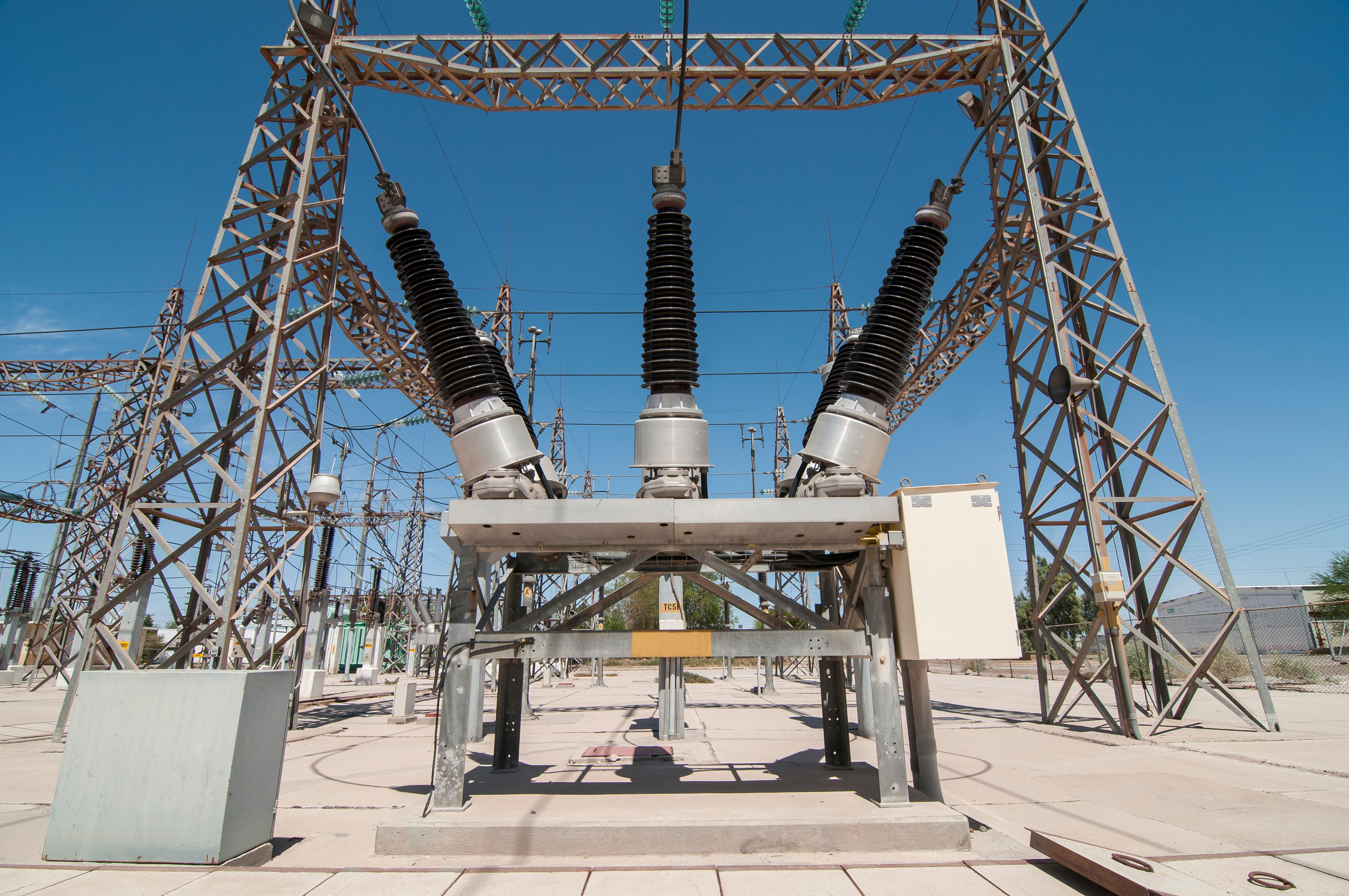
Assessment of SF6 gas analysis in determining interrupter component condition. Planned work includes conducting a:
-
state of the science literature review to document current practices, identify knowledge gaps, and assess applicability to utility asset management.
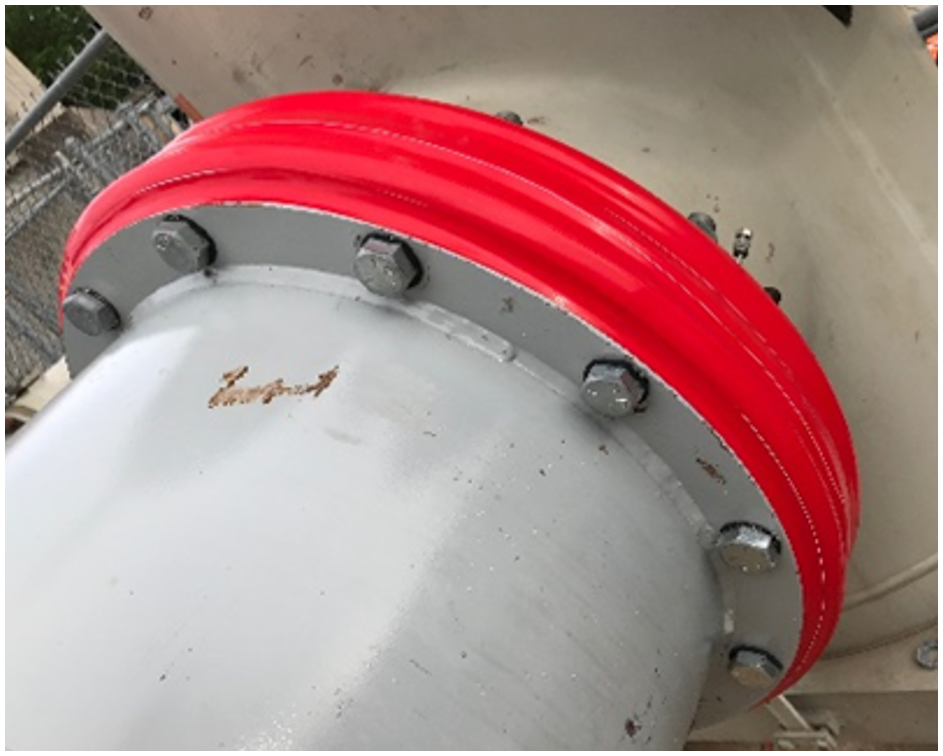
Leak Sealing for Circuit Breakers and Gas-Insulated Substations investigates methods that utilities can use to cost-effectively seal dielectric gas (SF6 and non-SF6) leaks. The emphasis is on identifying materials and techniques that can seal while maintaining equipment operating pressures and are easy for utility personnel to apply and remove. Novel techniques for sealing SF6 leaks on circuit breaker and gas insulated substation (GIS) component geometries at ground potential were developed, and three successful techniques identified in the laboratory are in field tests at ten utility sites. Building on prior laboratory development and ongoing field trials, 2027 activities intend to include:
-
Monitoring performance of existing and new field trial
-
Developing application guides and “how to” videos based on field experience
-
available through the Transmission Resource Center (TRC): Circuit Breaker Life Management | Circuit Breaker Life Management (epri.com)
-
Continue investigations into sealants that cure at lower temperatures
-
Scouting innovative sealing methods used in other industries
-
Develop techniques for additional geometries, for example, the bushing flange interface; some of these new geometries may not be at ground potential
-
Investigate scalability of existing techniques to larger flange diameters
-
Initiating efforts to understand challenges associated with sealing leaks in SF₆ alternatives and evaluating applicability of techniques developed for SF₆
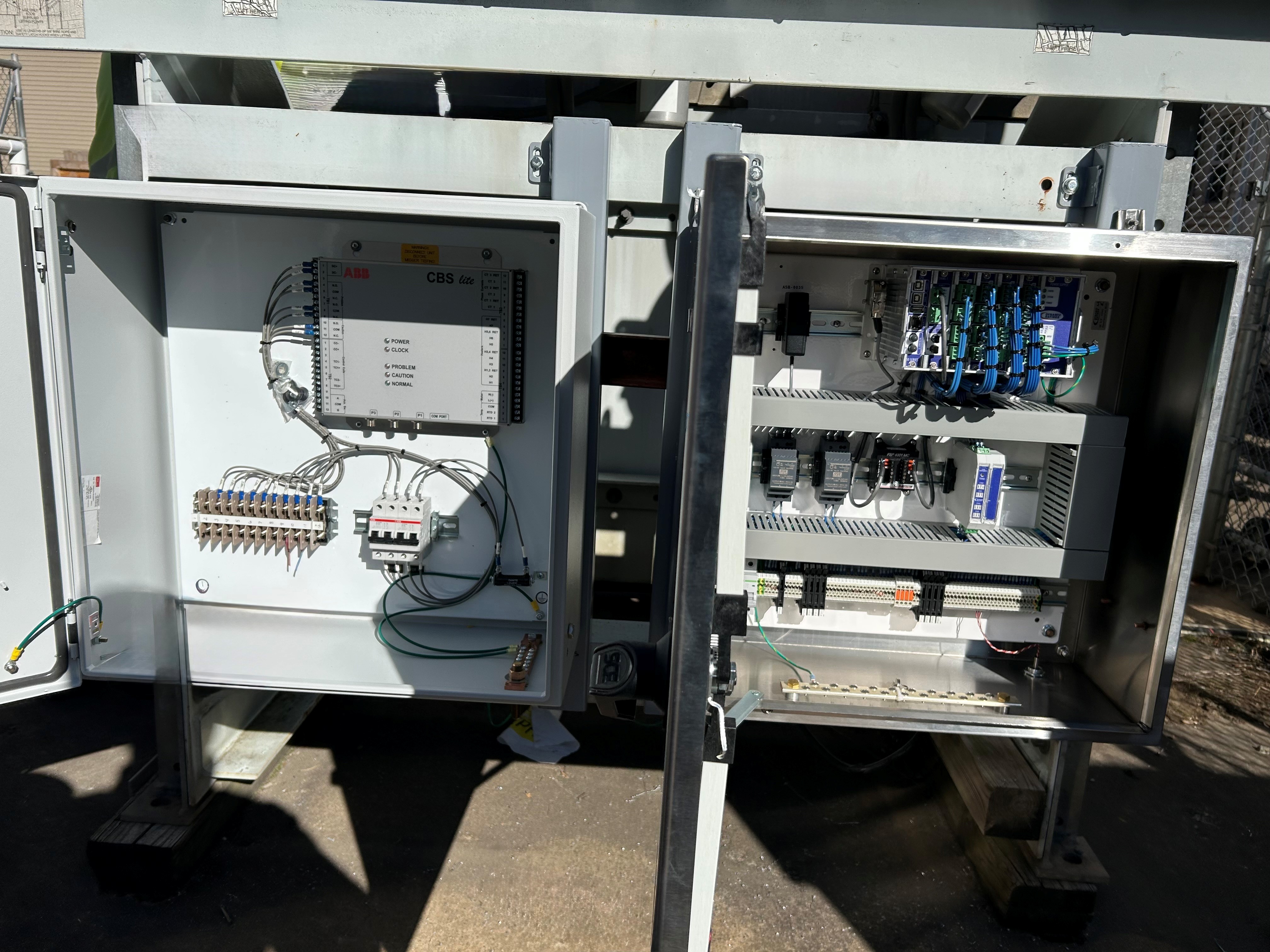
Development of an Intelligent Assistant for Maintenance and Troubleshooting aims to investigate advanced techniques and technologies to enable the efficient capture of expert knowledge and its effective, on‑site presentation to support field personnel. The objective is to improve field crews’ ability to understand and assess circuit breaker condition, diagnose issues, and carry out appropriate maintenance actions more efficiently and consistently.
-
Planned work in 2027 will leverage existing EPRI developments in artificial intelligence through exploratory research activities and the definition of a structured research approach to address this application area.
Circuit Breaker Reference Guide. There are plans to continue developing a comprehensive reference on circuit breaker procurement, operation, maintenance, and life-cycle management to serve as a resource for less experienced personnel. The goal is to develop a guide that provides information on fundamental design descriptions, operation, selection, and application principles, maintenance, monitoring, and replacement and captures the knowledge of leading circuit breaker experts. To date, nine sections have been written, including sections on circuit breaker installation, diagnostics, problem and failure investigation, lubrication, pump and compressor maintenance, specifications and procurement, and interrupter cleaning. Planned activities include:
-
Developing guidance for factory visits and design reviews for SF₆ circuit breakers
-
Expanding content on emerging circuit breaker technologies, including non SF₆ designs
-
Making updated content available through the Transmission Resource Center (TRC): Circuit Breaker Life Management | Circuit Breaker Life Management (epri.com)

Technical Webinars on the Circuit Breaker Guidebook intends to develop and host a series of technical webinars based on sections in the Circuit Breaker Guidebook. Content may be selected to accelerate learning on key topics in the Circuit Breaker Guidebook for those with less circuit breaker experience. Webinar material will be published for continued and convenient future access.
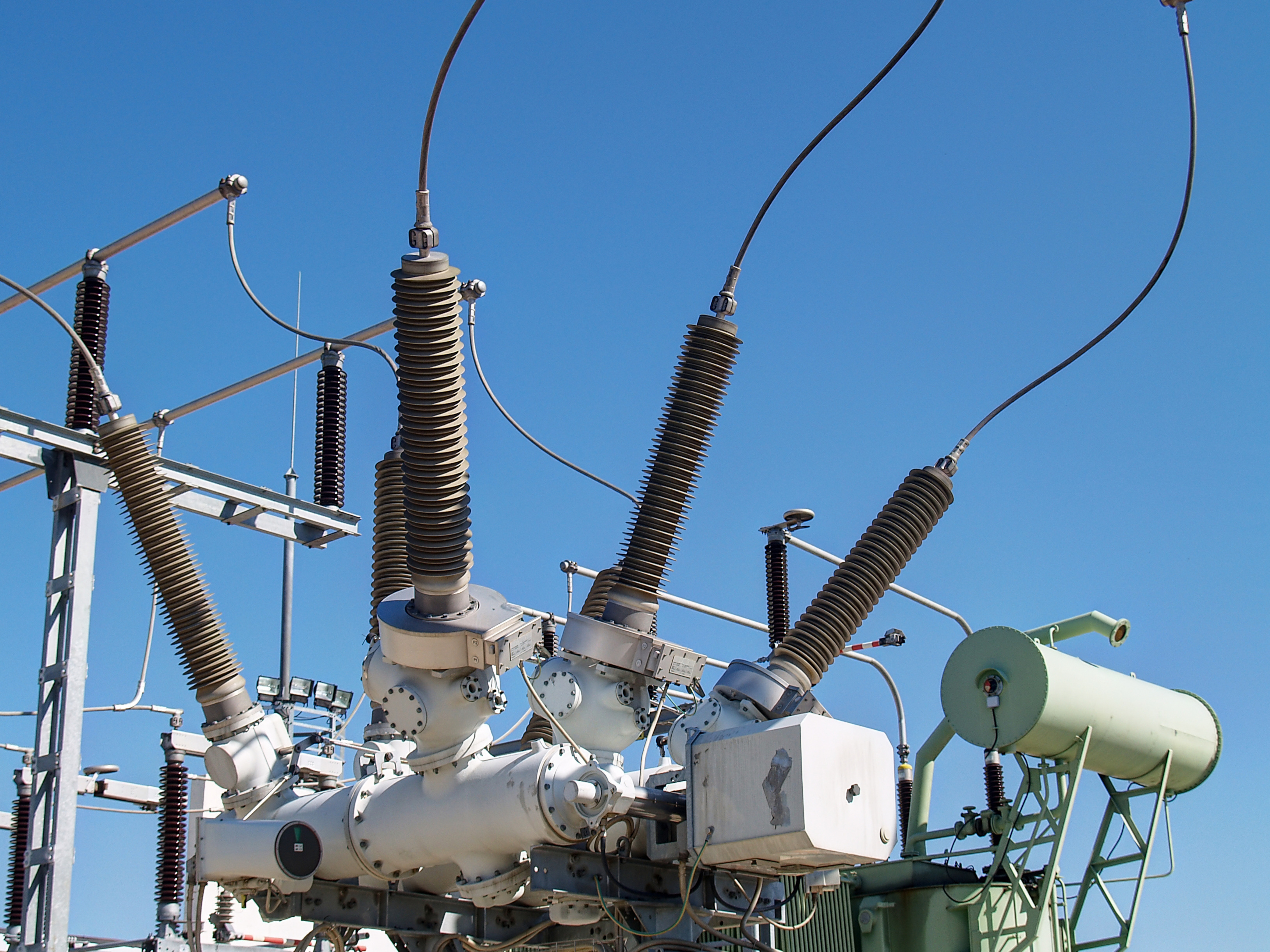
Circuit Breaker Mechanism Maintenance Guides. Maintenance supplements written for specific breaker models serve as training tools and guidance for proper mechanism field disassembly, cleaning, lubrication, and reassembly. Gaining importance as experienced personnel retire, the guides communicate information in step-by-step illustrated tasks, cover material not included in manufacturers’ instruction manuals, can be readily incorporated in a utility’s maintenance procedure, and have been developed for 11 models. The intent is to expand the library with new guides annually. Model selections plan to be prioritized based on advice from the task force. provide the guides through the Transmission Resource Center (TRC): Circuit Breaker Life Management | Circuit Breaker Life Management (epri.com)
Anticipated Deliverables
| Deliverable | Date |
|---|---|
| Tech Transfer: Technical Webinars on the Circuit Breaker Guidebook | 12/31/2027 |
| Circuit breakers Online Monitors Assessment Update | 12/31/2027 |
| Improvement and New Developments on SF6 Leak Sealing Techniques | 12/31/2027 |
| Circuit Breaker Digital Twin: Concept Exploration and Development Path update | 12/31/2027 |
| Tech Brief and Video: Intelligent Assistant for Maintenance and Troubleshooting | 12/31/2027 |