Project 36.001 – Design, Construction, Ratings, Operation, and Maintenance of Underground Transmission Systems
Objective
Cost-effective and reliable underground transmission cable systems depend on sound engineering practices in design, construction, operation, and maintenance. This project develops technologies, software tools, and guides to provide a technical basis for safe, reliable, and efficient underground transmission systems of both extruded and laminar dielectric cables. The project addresses the following needs to equip cable users with knowledge, methods, and tools to execute required tasks throughout the life-cycle of underground cable systems:
- Methods and tools to assist in engineering designs and to determine and improve cable circuit ratings
- Advanced designs and innovative techniques to reduce construction and installation costs
- Safe and effective cable circuit and manhole inspection techniques
- Cable and accessory failure root causes
Underground transmission engineers, designers, and managers can use the tools, methods, and technologies developed in this project to more effectively plan, design, operate, and maintain their underground transmission systems. For example:
- Laboratory and investigative results can be used to improve system long-term performance, and design and implement reliable and effective cable systems.
- Software tools and analytical studies can be used to validate system designs and enhance cable project planning and management and to increase and optimize ratings of transmission circuits.
- By applying industry best practices, especially in cable system construction and installation, cable users can reduce costs in all phases of a cable project from design and construction to operation and maintenance.
- Development and laboratory demonstration of inspection techniques can be used to improve health and safety of personnel working with underground cable systems.
- Investigation of corrosion inspection, assessment, and remediation methods and techniques for cable components in underground vaults can improve design, inspection, maintenance, and protection of these components.
- Performance and failure information can be used for effective asset management.
Research Value
Design, construction, ratings, operation, and maintenance tools and methods developed through this project could help cable users to:
- Make more informed decisions when planning new power transmission lines
- Improve efficiency in underground cable system designs and operations
- Improve productivity and quality in underground cable system construction
- Assess conditions of existing underground transmission lines and develop fact-based maintenance and replacement strategies
- Reduce overall installation, construction, operation, and maintenance costs
Approach
To address industry issues and provide adequate tools and information, this project is intended to evaluate and apply industry knowledge, enhance and validate existing solutions, and investigate and develop tools and technologies by undertaking key tasks in a wide variety of activities. Examples include the following:
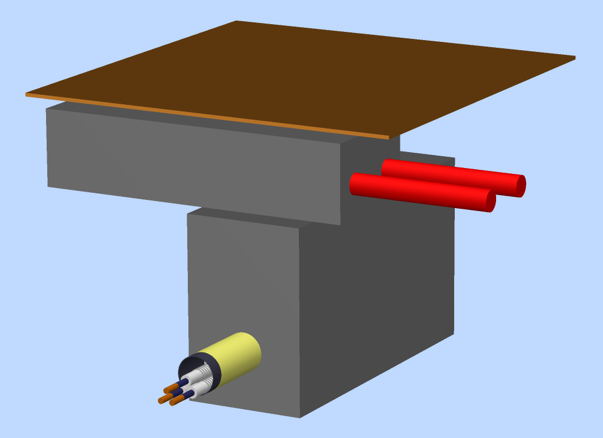
Develop methodologies, software tools, and practices related to design, engineering, system planning, ratings, and operations and maintenance of underground transmission cable systems
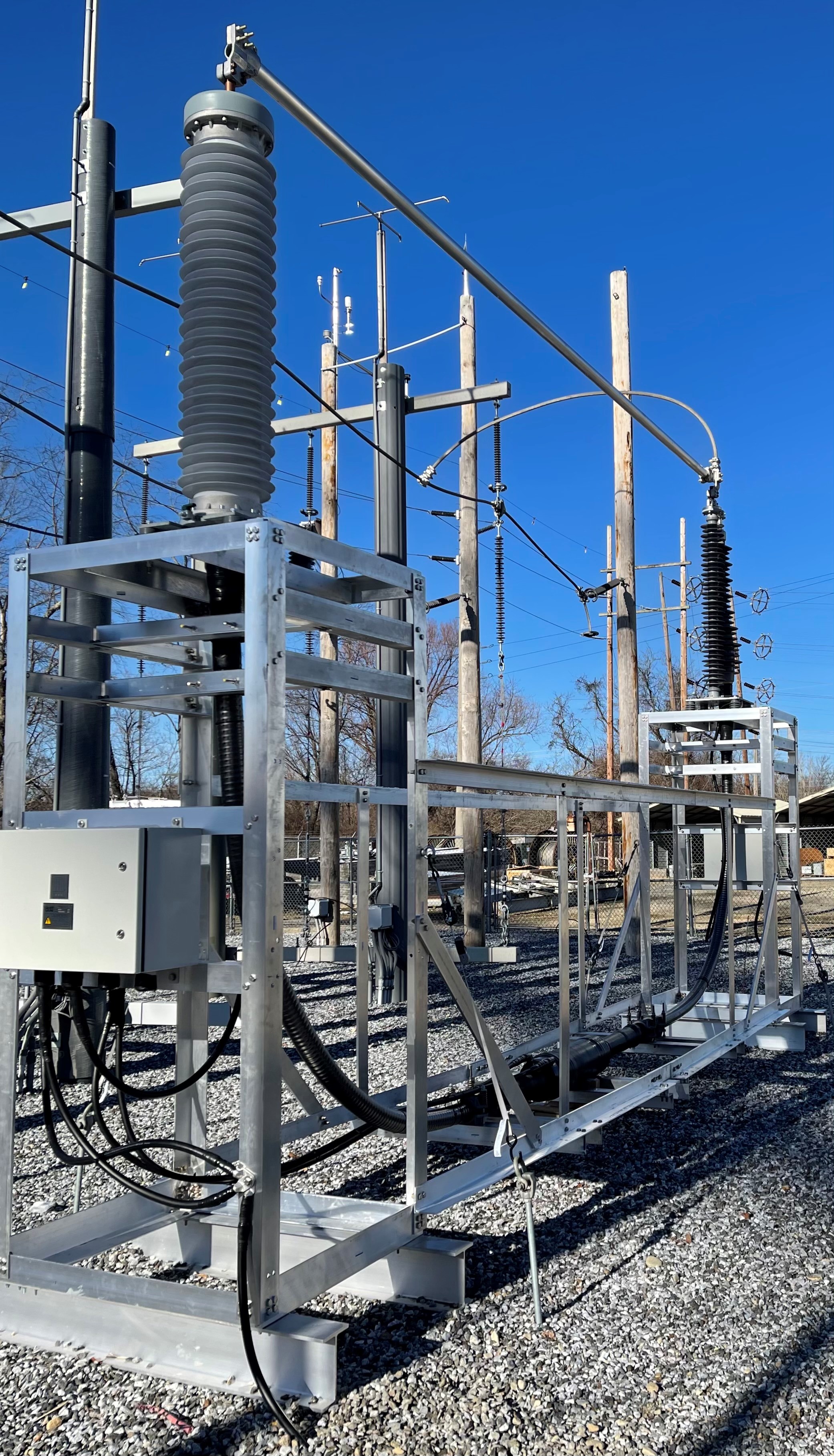
Develop pipe-type to extruded cable conversion technology, design, and construction options, including feasibility assessment, pipe bursting technology, and extruded-dielectric pipe-type cable for installation in steel pipe
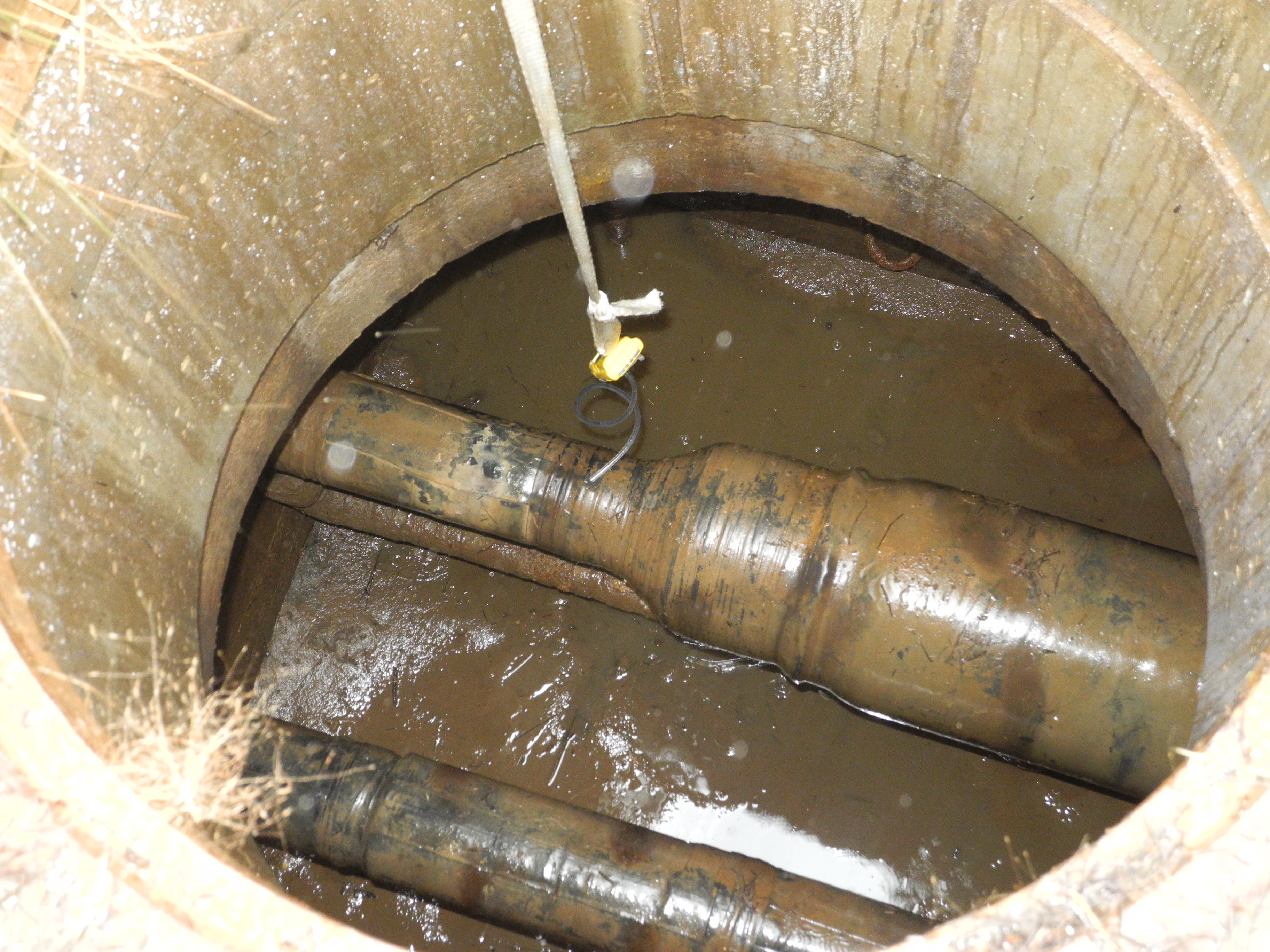
Investigate underground transmission vault inspection techniques to improve worker safety and reduce circuit outage requirements
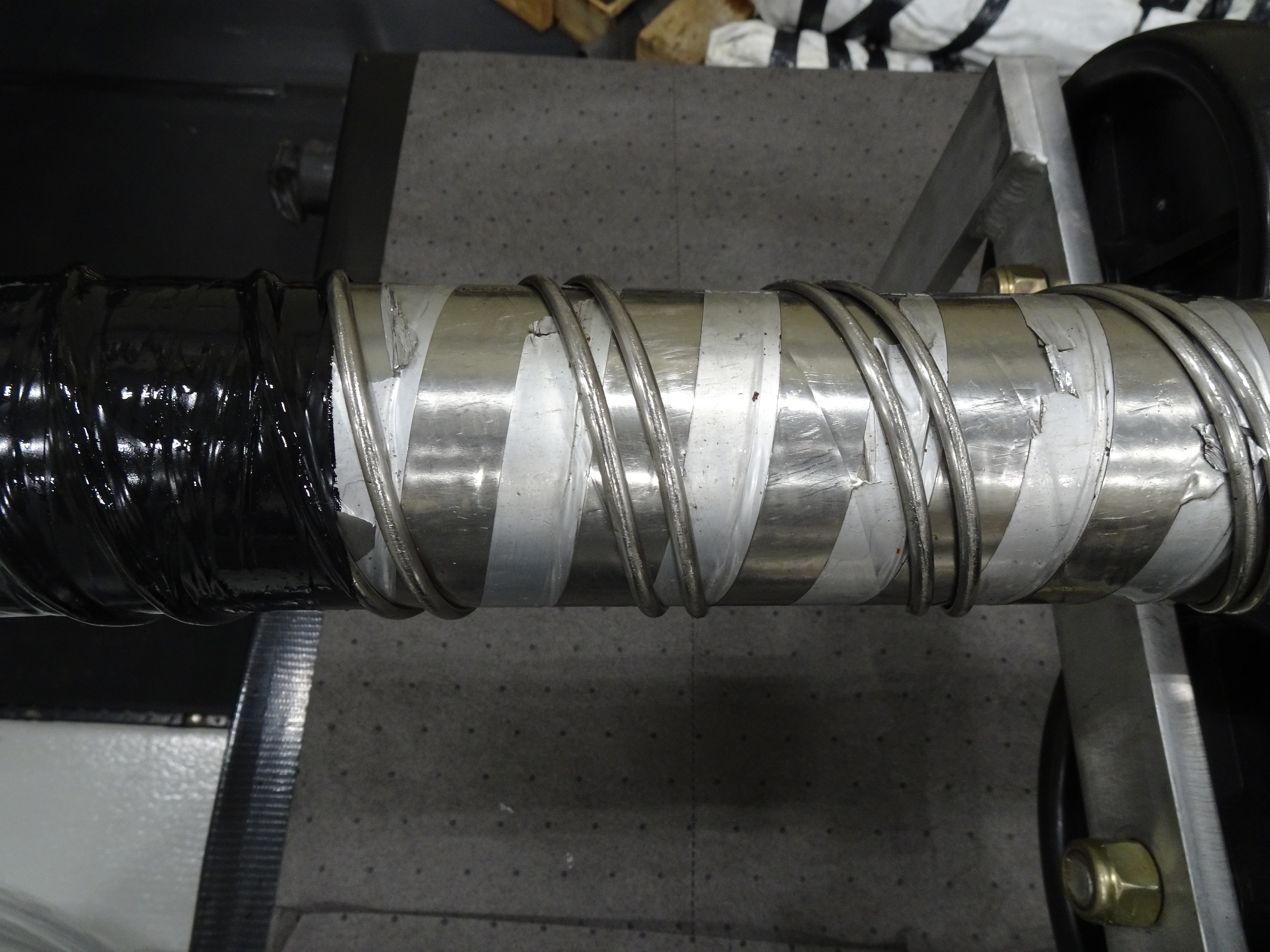
Analyze field-aged cables and accessories as well as failure and performance data to investigate long-term performance issues.
Anticipated Deliverables
| Deliverable | Description | Date |
|---|---|---|
| Underground Transmission Workstation: Functional and Technical Enhancements and Developments and Supporting Engineering Documents (Software and Technical Reports) | The Underground Transmission Workstation (UTW) is an easy-to-use tool for cable engineers to plan, design, operate, and maintain their extruded and laminar dielectric cable systems. The project team is updating and enhancing the functionality of UTW and associated EPRI research results. In addition to the software package, various supporting engineering documents are included, e.g., EMF user’s guide, life-cycle cost procedures, electrical safety practices, and system protection. | December 2027 |
| Underground Transmission Cable System Construction and Installation (Technical Reports) | Recent advances in underground transmission have led to increased demand for best practices and innovative ways to reduce construction and installation costs. This task identifies and assesses advanced designs and innovative construction/ installation techniques that would contribute to improved operation performance and reduced overall project costs. Examples of the documents include a comprehensive practices manual, quality guidelines for grouting procedures, primer for installation of high-voltage cable in tunnels, EPRI analysis and assessment of high-temperature superconductivity technology and deployment, and guide and verification practices for high-quality installation of transmission cable accessories. | December 2027 |
| Pipe-Type to Extruded Dielectric Cable Conversion—Technology, Design, and Construction Options (Technical Reports) | Reports in multiple volumes include assessment of converting existing pipe-type cables using extruded dielectric cables and existing pipe alignments. The project task evaluates available solutions, identifies leading industry practices, presents any novel ideas for design and installation of extruded cables and accessories in steel pipes, and provides guidelines and recommendations for such conversions. Examples of the documents include feasibility assessment, pipe bursting technology, extruded-dielectric pipe-type cable method for installation in steel pipe, and field demonstration experience. | December 2027 |
| Underground Transmission Vault Inspection Using Robotic Techniques (Technical Reports) | To improve worker safety and reduce circuit outage requirements, this task continues the investigation of underground transmission vault inspection techniques. Concepts and prototype robotic techniques have been demonstrated in EPRI laboratories and at member utility sites. | December 2027 |
| Underground Transmission Vault Corrosion: Inspection Assessment and Remediation (Technical Reports) | This task addresses common corrosion issues within underground cable joint vaults. The report discusses corrosion mechanisms within underground vaults and provides inspection and assessment results on components within the vaults. It also provides recommendations based on results of field inspections and laboratory testing. | December 2027 |
| Underground Cable Fault Location Reference and Application Guide (Technical Reports) | This report summarizes underground cable fault location methods and provides details in application of methods for transmission cable systems. | December 2027 |
| Performance and Failure Reports for Underground Transmission Cables and Accessories (Technical Reports) | Central to effective asset management is knowledge of the failures of specific components based on age, family, make, model, application, and environment. This task is a multi-year effort to gather available information on underground transmission cable and accessory performance issues, and failures of both extruded and laminar dielectric cable systems. | December 2027 |