Project 36.003 – Laminar Dielectric Cable Systems
Objective
Laminar dielectric cable systems consist of high-pressure fluid-filled (HPFF), high-pressure gas-filled (HPGF), and self-contained fluid-filled (SCFF) system types. These cables have generally provided long-lasting service, surpassing their design-life specifications. However, the advanced age of many of these assets may be a cause for concern. Replacement costs for laminar dielectric cable systems are high, and the consequences of electrical failures or fluid leaks are significant. Research is needed to:
- Provide guidance and develop strategies for effective operation, maintenance, life extension, and replacement
- Improve understanding of laminar dielectric cable-system failure mechanisms
- Develop and demonstrate inspection, diagnostic, monitoring, and remediation techniques
Underground transmission engineers, designers, and managers may use the knowledge base, guidelines, methods, and technologies developed in this project to improve productivity, lower costs of operation and maintenance, and extend the life of laminar dielectric cable systems. Reliability and safety can be enhanced, and asset management strategies can be improved. Maintenance personnel can make more effective use of staff time and budget resources by applying new inspection methods and monitoring technologies.
Planners can improve the asset fleet by identifying where to apply selective upgrades and retrofits based on a better understanding of relative system conditions. Additionally, they can determine where and under what circumstances the cable systems are most susceptible to damage. Utilities can also refine system monitoring by leveraging knowledge of component failure mechanisms, enhancing public and environmental safety.
Research Value
This research produces new understanding, methods, and tools that could improve the ability of engineers and planners to assess the condition of laminar dielectric cable systems and take proactive steps in operating and maintaining these systems to extend asset life and prevent unexpected outages. Benefits of this project may include:
- Better understanding of failure mechanisms and prevention procedures for longer asset life, fewer customer outages, and lower operational costs
- Effective inspection and monitoring of assets, leading to increased asset utilization, rapid maintenance intervention prior to spontaneous failure, higher reliability, and lower repair costs
- New inspection techniques and tools to increase staff productivity
- Reduction in overall installation, construction, operation, and maintenance costs
Approach
This project investigates and develops condition assessment methods and procedures for laminar dielectric cable systems. Efforts focus on life extension, improved reliability, reduced operation and maintenance costs, and improved support for asset management decision-making protocols. EPRI intends to direct its research into one or more of the following areas:
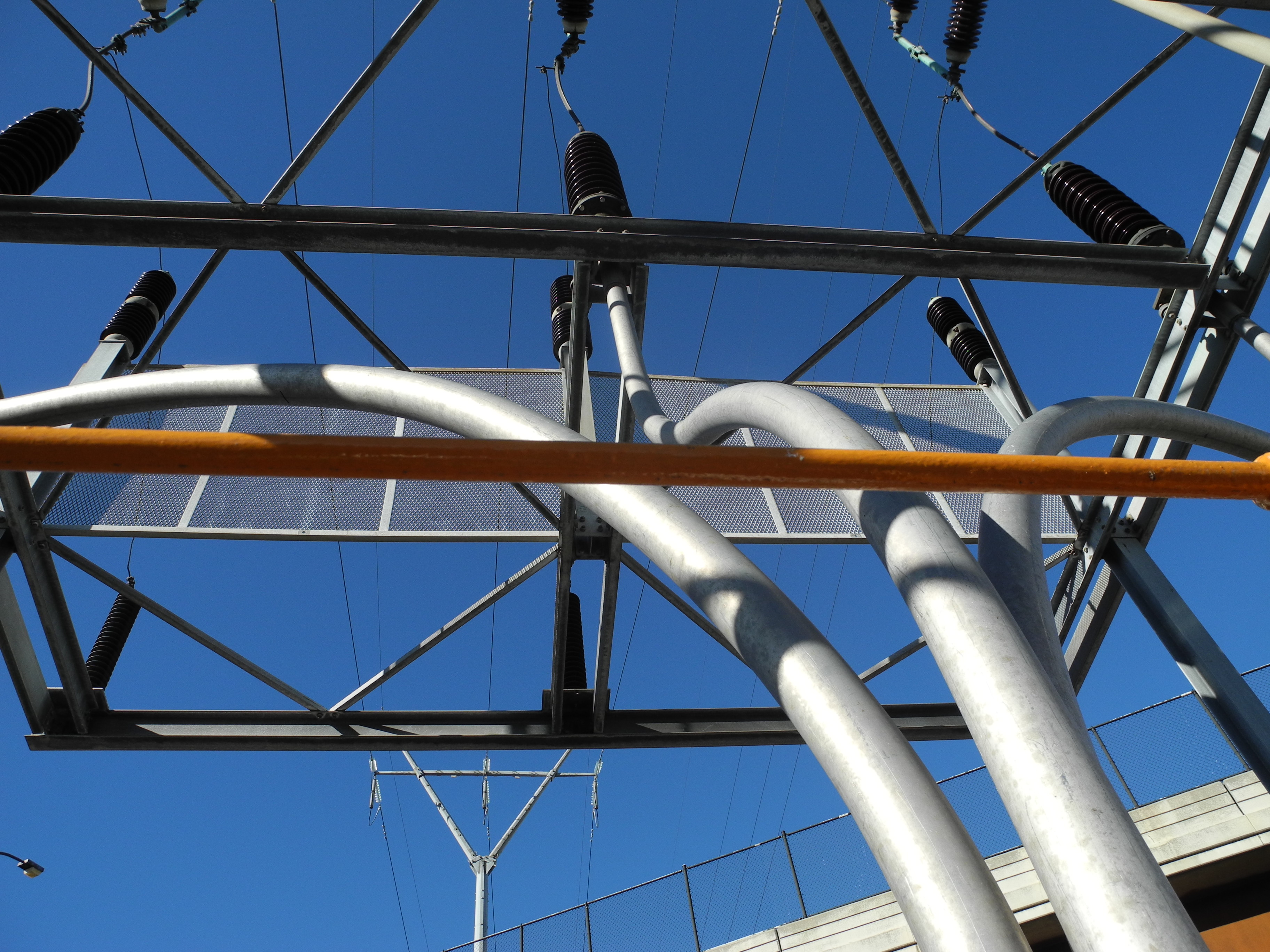
Evaluate and demonstrate advanced diagnostic techniques to assess conditions of laminar dielectric cables
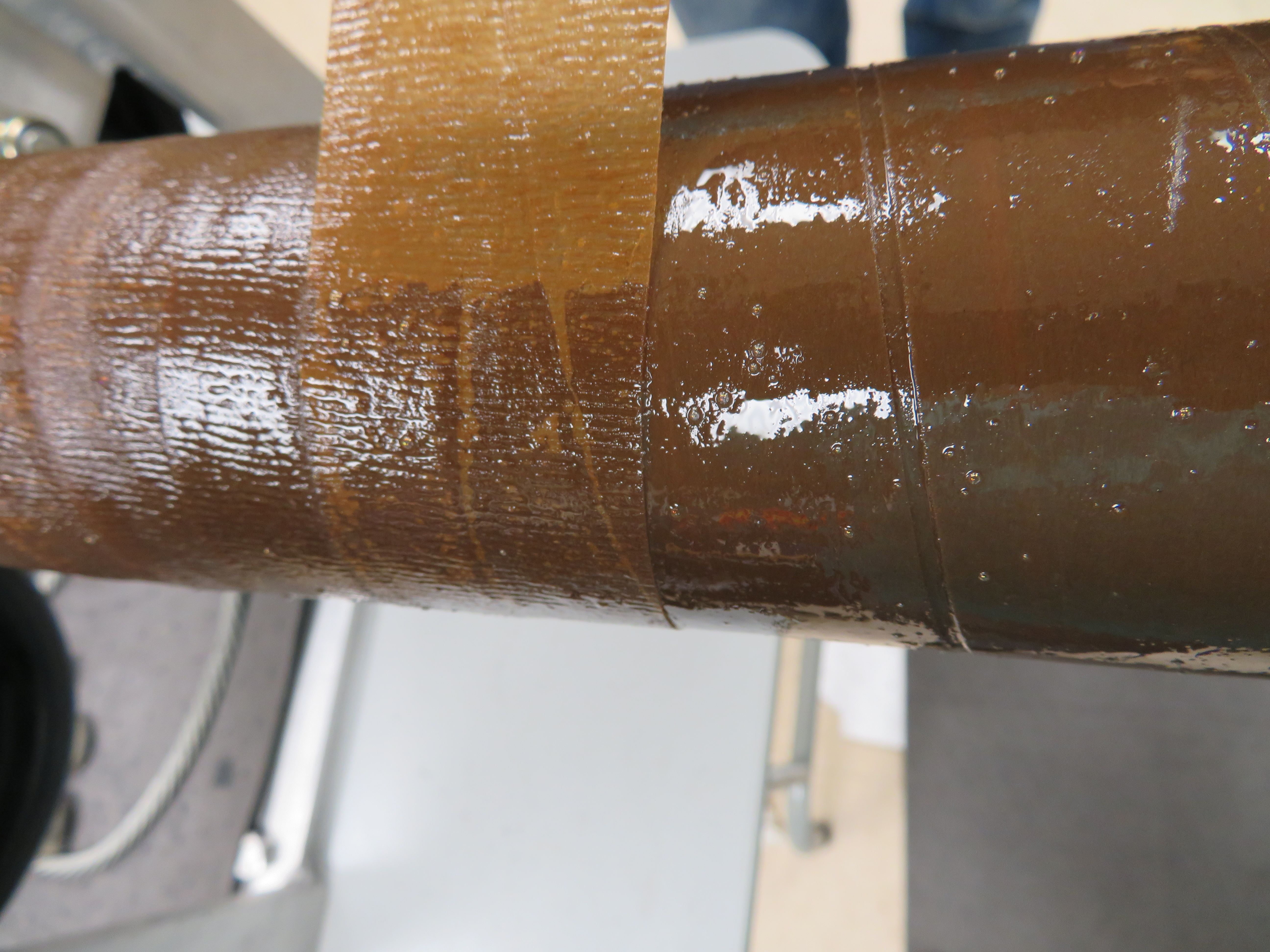
Develop best practices in dissolved gas analysis and insulating paper and fluid testing for effective deployment of the technologies
Develop vintage information for laminar dielectric cable systems to improve asset management strategies

Conduct investigations to better understand failure mechanisms of laminar dielectric cables

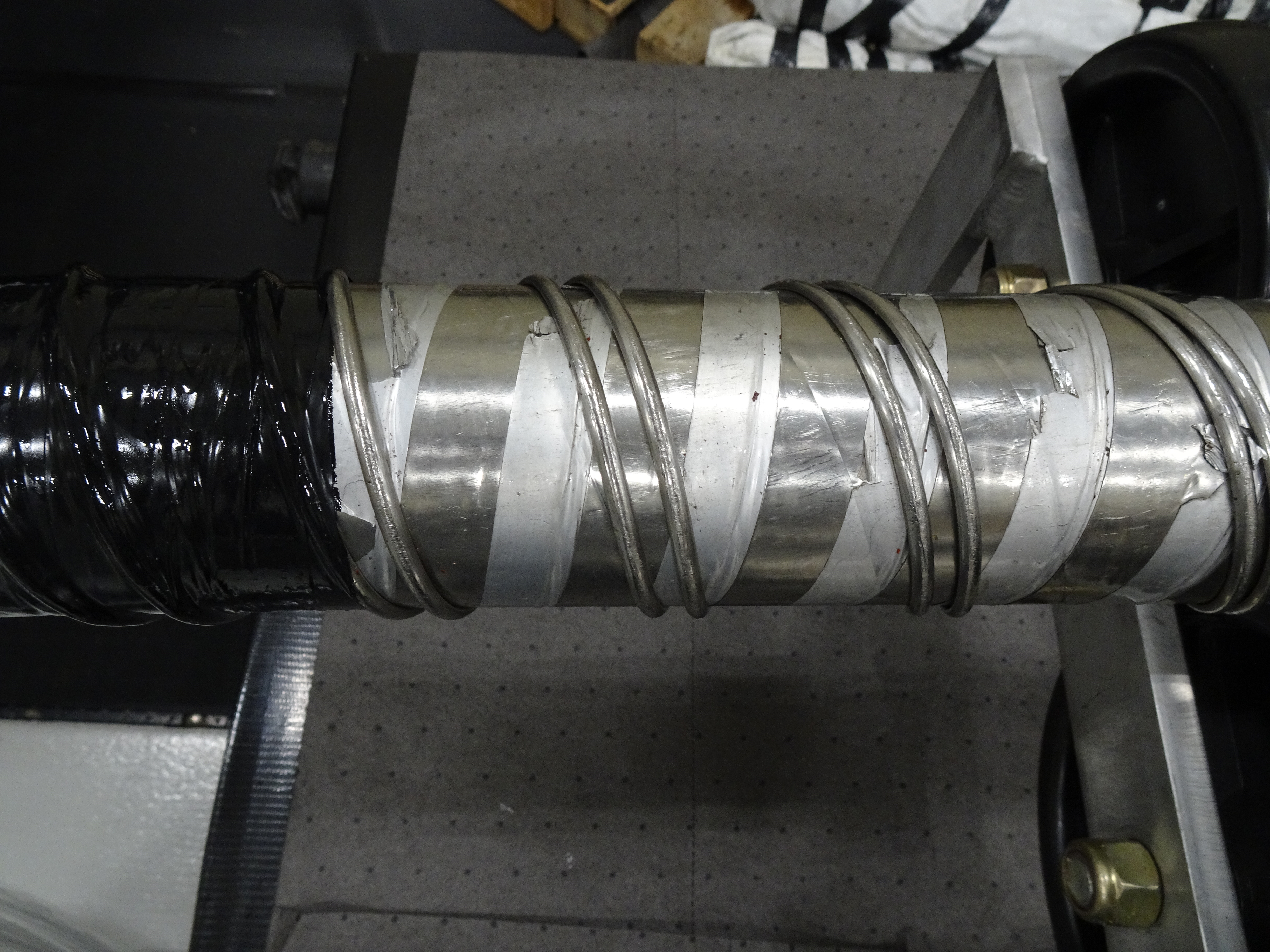
Study buried steel-pipe coating degradation as a function of coating types, coating ages, pipe-installation environments, coating-application methods, and stray-current conditions
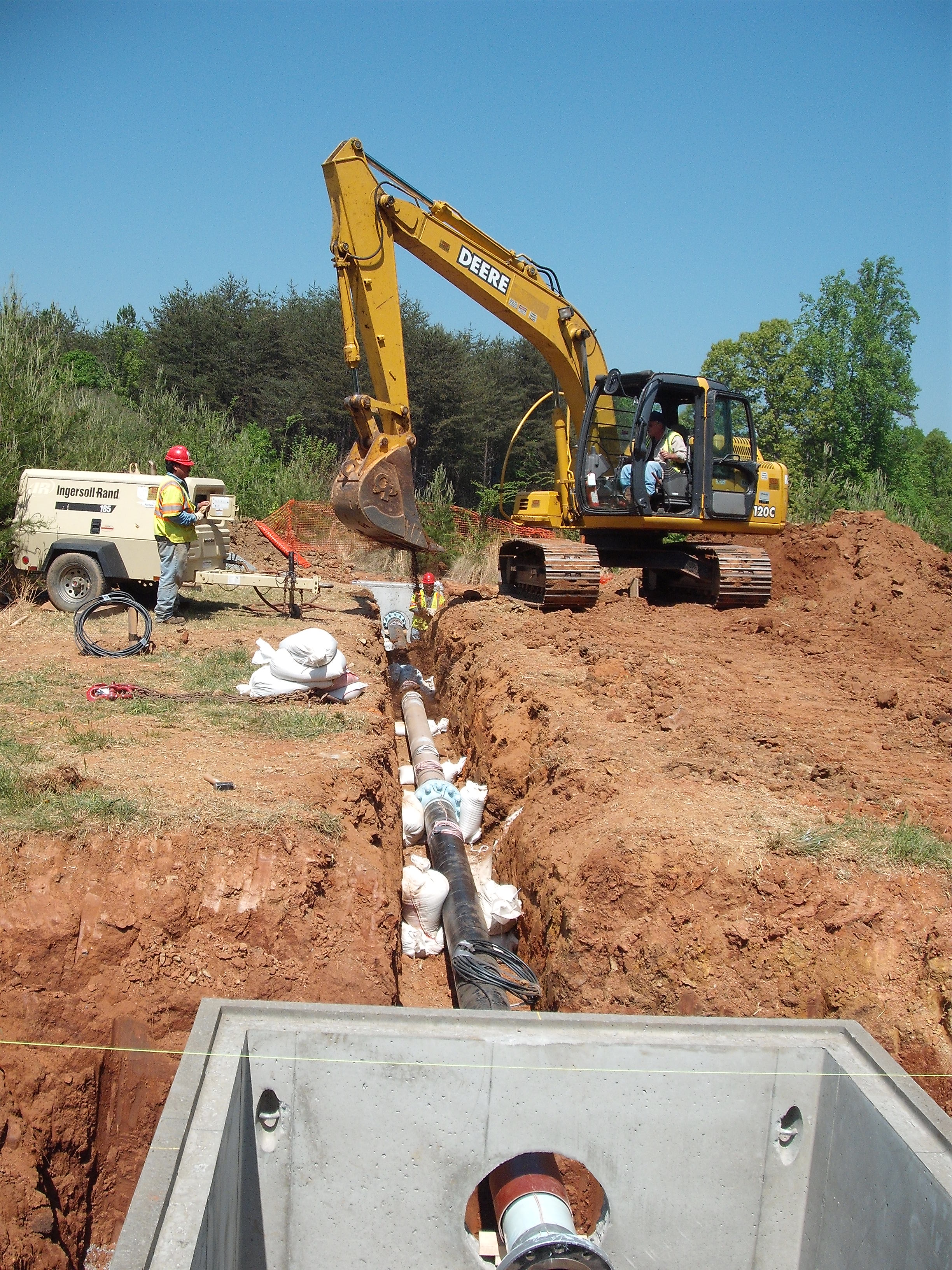
Evaluate and develop methods to effectively detect and mitigate corrosion and corrosive environments
Develop technical bases for best practices to improve the effectiveness of cathodic-protection systems
Anticipated Deliverables
| Deliverable | Description | Date |
|---|---|---|
| Life Evaluation and Management of Laminar Dielectric Cable Systems (Technical Reports) | Volume 1: Introduction and Approach. This task describes the EPRI general approach in life evaluation and management of laminar dielectric cable systems. | December 2027 |
| Volume 2: Evaluation and Documentation of Vintage Pipe-Type Cable Performance and Experience. This task enhances the vintage guide to document changes in component materials, design, manufacturing, and other known issues of pipe-type cable systems. | December 2027 | |
| Volume 3: EPRI Guide for Testing Insulating Paper and Fluid. This task is a multi-year effort to create an up-to-date guide to test and analyze insulating paper and fluid of laminar dielectric cable systems to assess insulation and system conditions. This report includes results from tests and case studies. | December 2027 | |
| Volume 4: EPRI Dissolved Gas Analysis Guide for High-Voltage Cables. This task continues prior EPRI research to create a comprehensive dissolved gas analysis guide to assess conditions of laminar dielectric cable systems. This report also includes example test results and case studies. | December 2027 | |
| Volume 5: Best Practices for High-Pressure Fluid-Filled (HPFF) Pipe-Type Cable Pressurization Plant Upgrades. This task provides operating principles for HPFF cable pumping plants and a description of the many factors to consider when evaluating pumping plants for upgrades or replacements. | December 2027 | |
| Volume 6: Pressurization Procedures for High-Pressure Fluid-Filled and High-Pressure Gas-Filled Cable Systems. This task describes research into a variety of repressurization and depressurization procedures for different cable constructions and offers recommendations. | December 2027 | |
| Pipe-Type Cable System Buried Steel Pipe Corrosion (Technical Reports) | The task describes fundamentals and practices of pipe-type cable system buried steel pipe corrosion, performs various tests at EPRI corrosion test facilities, and applies various detection techniques to investigate their effectiveness. The task also studies pipe coating degradation as a function of coating types, pipe installation environments, and stray current conditions. This task evaluates and characterizes new techniques for condition assessment and diagnostics with emphasis on techniques that provide localization information on potential defects or degradation and continuous online monitoring. Techniques under investigation include prototype testing of test stations for buried steel pipe corrosion monitoring. Several volumes of documents are included: 1. Introduction, Fundamentals, and Practices; 2. EPRI Pipe Corrosion Test Facility and Results; 3. Extruded Coating Test Rig and Results; 4. Corrosion Monitoring System Development and Testing; and 5. Field Assessment Approach and Case Studies. | December 2027 |
| Failure Root Cause Study of Laminar Dielectric Cables (Technical Reports) | EPRI has performed comprehensive research in developing an approach for life management of cable systems, including cables, terminations, joints, pressurizing plants, and others. This task performs further laboratory experiments to better understand laminar dielectric cable aging and failure mechanisms. This task publishes results in separate volumes for each completed investigation. | December 2027 |