P37.103: Protection and Control
Objective
Maintaining protection system reliability in an increasingly dynamic and less predictable power grid, compounded by tighter regulations and resource constraints, presents unprecedented challenges for utilities. The growing volume of relay settings, protection data, and firmware updates is driving the need for automated workflows and intelligent tools to manage protection and control systems at scale. Addressing the challenges will require not only new technologies, but also robust, systematic testing frameworks and high-fidelity evaluation and validation methods. Through laboratory testing, development of application guidance, and providing hands-on technology transfer, the project aims to help members address these challenges by accelerating the deployment of new protection and control technologies, improving safety and reliability, reducing lifecycle costs, and preparing for the evolving needs of the future grid.
Research Value:
- Reduce wildfire risks and enhance public safety by accelerating field deployment of broken conductor detection technologies
- Increase protection system reliability through the application of configuration management workflows and advancement of condition-based protection maintenance programs.
- Reduce cost by replacing manual processes with AI tools and automation technologies
- Prepare for the future grid by embracing digital substation technologies and advancing next-generation protection and control designs
- Enable new learnings through hands-on technology transfer activities conducted at the EPRI P&C laboratory
Approach
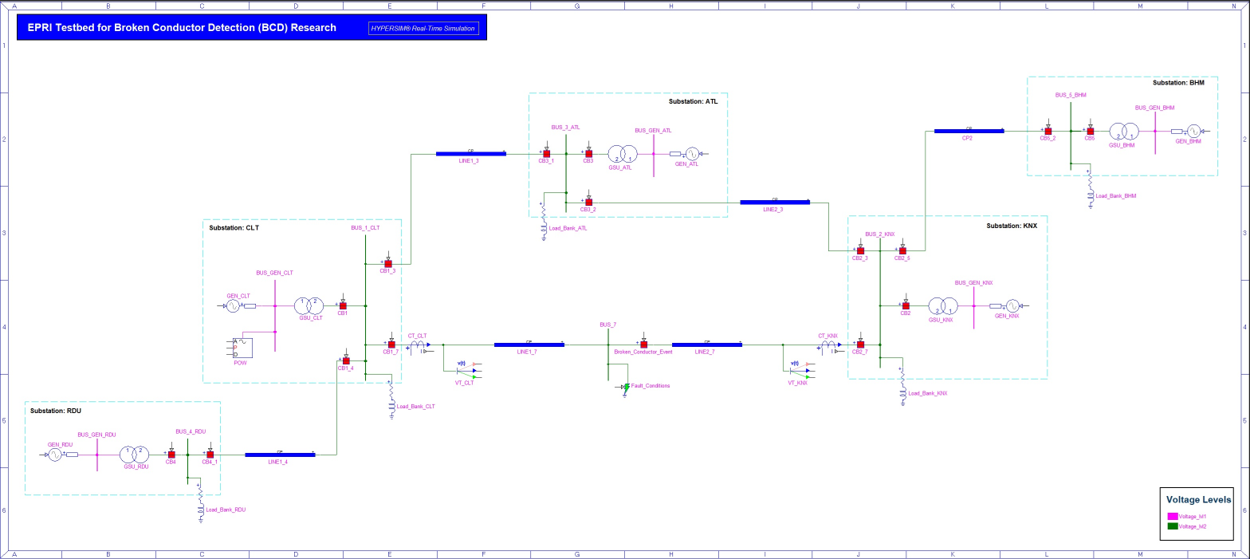
Apply Broken Conductor Detection (BCD) Technologies on High Voltage Transmission Lines. Transmission line conductors may fail due to material aging, hardware failure, severe weather conditions, and other factors. If not detected promptly, an energized broken conductor can lead to ground faults, creating high-temperature arcing that may ignite wildfires and pose significant risks to public safety.
The research categorizes and evaluates available technologies and detection methods that utilities can apply on high-voltage transmission lines. BCD technologies may utilize transmission line charging current measurement, imbalance current criteria, power line carrier signals, synchronized phasor measurement, or purpose-built relaying logics. To evaluate the effectiveness of BCD technologies, a testbed system has been developed at EPRI’s P&C lab using real-time simulator and hardware-in-the-loop testing tools. The research outcomes and the lab testing results not only provide members with new insights into the latest BCD technologies, but also offer practical guidance in the specification, engineering, and field deployment of BCD solutions, supporting utilities in wildfire mitigation and public safety enhancements.
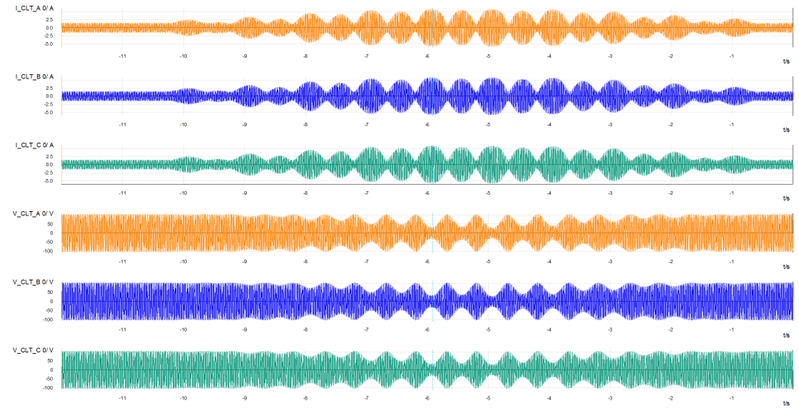
Prevent Relay Misoperation during Power Swings. Power swings can cause unwanted operation of protective relays, compromising power system reliability. The NERC PRC-026 standard requires utilities to take appropriate actions to prevent transmission protection misoperation during stable power swings in non-fault conditions. Through controlled laboratory testing, the research evaluates the performance of transmission protective relays in response to power swings in fault or non-fault conditions. The outcomes of the research provide members with new learnings regarding power swing dynamics, state-of-the-art power swing detection and blocking technologies, and practical approaches for improving relay performance.
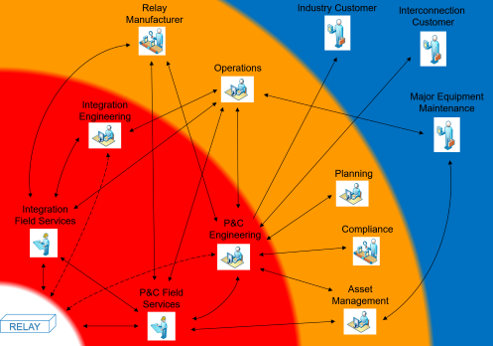
Improve Life Cycle Management of Relay Settings. Managing large volumes of relay settings to meet reliability and regulatory requirements is a common challenge for utilities. The complexity of digital relaying technologies and growing concerns of setting-error-caused protection misoperation drive utilities to adopt new technologies and automated tools for improving the lifecycle management of relay settings and protection data. The research provides guidance on applying Configuration management (CM) methodologies within protection and control (P&C) systems and establishing effective CM processes that help ensure relay settings and changes are systematically identified, approved, verified, and recorded throughout the life cycle. By evaluating relay setting management tools, the research helps address key questions such as: What data repository tools can provide a single source of truth for relay settings across different applications? Can AI-powered tools help automate setting data exchange, verification, and documentation?
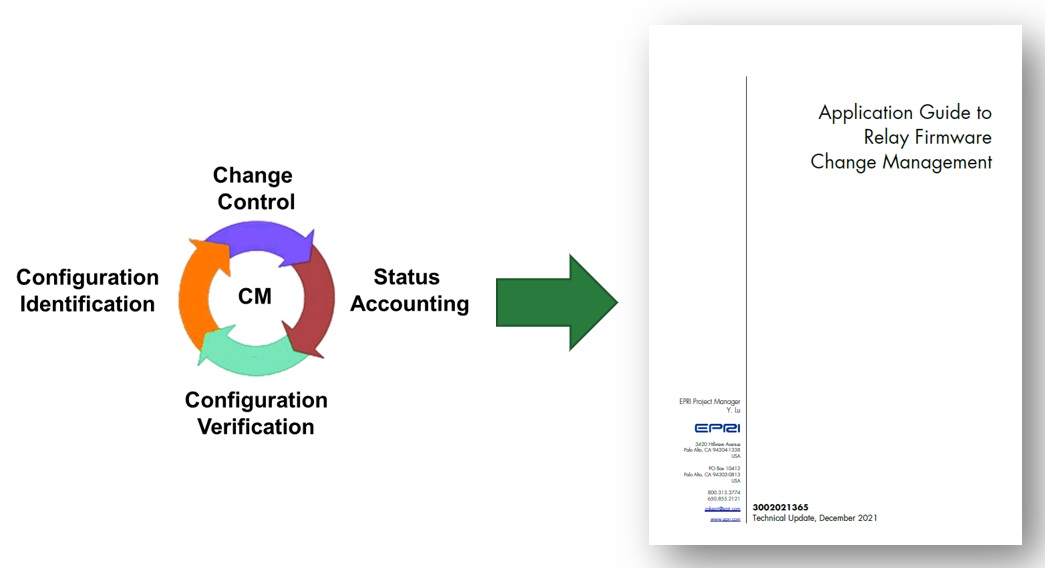
Develop Application Guide for Relay Firmware Change Management. Relay firmware management is essential for maintaining protection and control system reliability. Because firmware updates can impact multiple relay functions, a structured and well-established process is required to ensure that firmware changes are systematically reviewed, documented, approved, and verified. By applying configuration management principles and collaborating with EPRI members, the research aims to develop application guidelines and recommended practices for members to effectively manage relay firmware changes.
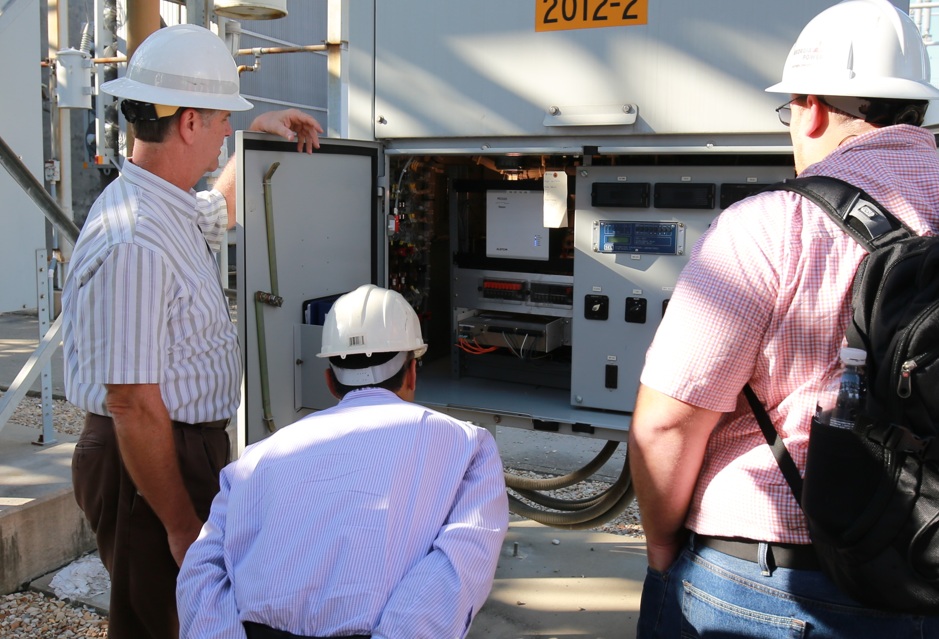
Advance Condition Based Maintenance (CBM) for Protection and Control Systems. The reliability of protection and control systems depends on well-established maintenance programs. In traditional time-based maintenance, utilities often face challenges such as difficulty in scheduling outages, limited resources, and the potential for human error during testing. The research addresses these challenges by evaluating new monitoring technologies and new reporting methods that can be utilized to replace or supplement time-based maintenance tasks. The outcomes of the research provide application guidance and technical insights that utilities can incorporate into engineering and design specifications to enable condition-based maintenance programs. By deploying CBM technologies, utilities may be able to detect otherwise hidden failures promptly and trigger maintenance actions only when necessary.
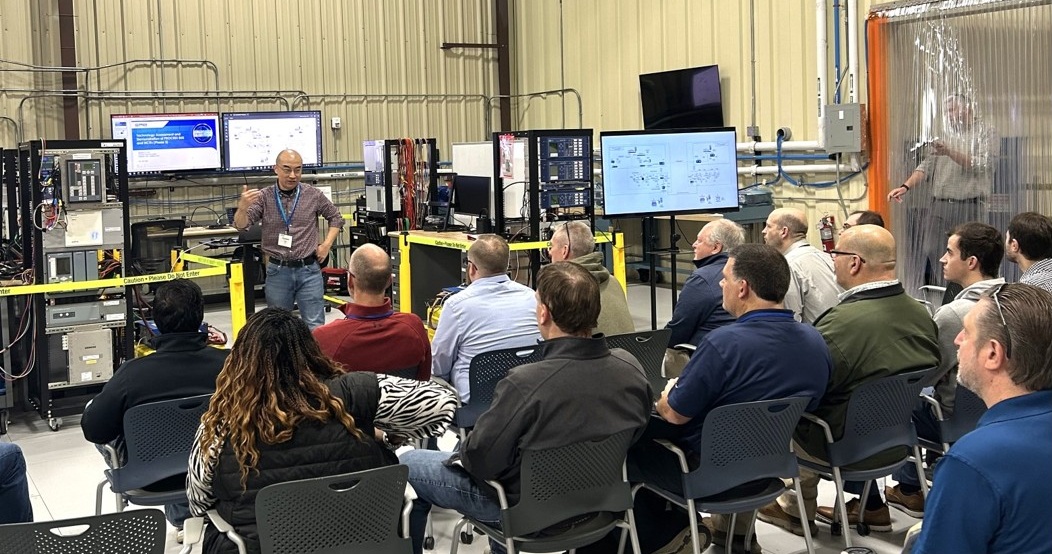
The annual IEC 61850 Digital Substation Workshop. The International Electrotechnical Commission (IEC) 61850 standard facilitates substation automation and enables interoperability of digital assets through communication protocols and common data formats. By applying the IEC 61850 standard and deploying new digital substation technologies, utilities can advance modern P&C designs, improve safety and reliability, reduce costs and vulnerability to EMP, enable condition monitoring, and strengthen grid resiliency.
The annual EPRI workshop, held in collaboration with relevant EPRI research programs and industry stakeholders, keeps members up to date on emerging digital substation technologies, provides a forum for members to share lessons learned and best practices, and delivers hands-on technology transfer to support member’s field deployment projects.
Anticipated Deliverables
| Deliverable | Date |
|---|---|
| Evaluation of Broken Conductor Detection Technologies on High Voltage Transmission Lines (tech update report) | 12/31/2027 |
| Evaluation of Protective Relay Performance Under Power Swings: Lab Testing and Research Findings (tech update report) | 12/31/2027 |
| Protection and Control Technology Scouting (newsletter) | 12/31/2027 |
| Application Guide for Relay Firmware Change Management (tech update report) | 12/31/2027 |
| Application Guidelines to Life Cycle Management of Relay Settings (tech update report) | 12/31/2027 |
| Protection System Maintenance Guide (tech update report) | 12/31/2027 |
| IEC 61850 Digital Substation Workshop (tech transfer workshop) | 12/31/2027 |
Past EPRI Work on Topic
| Product ID | Title | Description | Published Date |
|---|---|---|---|
| 3002032905 | Evaluation of Broken Conductor Detection Technologies on High Voltage Transmission Lines (2025 update) | Lab testing and evaluation of broken conductor detection technologies on transmission lines for wildfire mitigation and public safety | 12/2025 |
| 3002032906 | Evaluation of Protective Relay Performance Under Power Swings: Lab Testing and Research Findings (2025 update) | Evaluate power swing blocking and out of step trip technologies in transmission protective relays for preventing protection system misoperation during power swings | 12/2025 |
| 3002027057 | Application Guide to Relay Firmware Change Management | Provide guidance on how to apply the methodology of configuration management to the relay firmware change control. | 12/2023 |