P37.104: Substation Corrosion Management
Objective
All substation assets degrade over time and therefore require maintenance strategies to extend service life or planned replacement at end of life. This project provides guidance to help utilities understand asset degradation mechanisms in both soil and atmospheric environments, select appropriate corrective actions, and ensure that those actions are aligned with site specific environmental conditions.
The objective of this project is to characterize how substation assets degrade under soil and atmospheric exposure and to identify where this degradation presents risk to the utility operations. This objective is accomplished through the following activities:
- Evaluating existing, new, and emerging inspection technologies to define their capabilities and limitations, enabling utilities to select inspection tools appropriate for specific asset types and construction specifications.
- Characterizing soil corrosivity within substation footprints to support informed material selection for ground grids, foundations, and tank bottoms, and to guide inspection intervals for subsurface assets.
- Defining corrosion control and mitigation options and providing guidance on the selection and application of appropriate protection methods for substation assets exposed to soil and atmospheric environments.
Research Value
This research may deliver the following value to utilities:
- Support asset management teams in making informed, risk based life cycle decisions for substation assets.
- Establish standardized processes and training frameworks for inspection and maintenance personnel.
- Optimize maintenance budgets through population based assessments, targeted inspections, and predictive maintenance of ground grids.
- Develop guidelines for material selection and application that reduce grounding system conductor theft while improving corrosion control effectiveness.
- Enhance risk identification and mitigation through prioritized, condition based inspection strategies.
- Improve worker and public safety by proactively identifying areas of ground grid degradation before performance or safety is compromised.
- Evaluate the potential use of cathodic protection systems as a tool for detecting ground grid theft.
Approach
Each research task planned for 2027 is structured to deliver value to the funding utility, recognizing that tasks vary in scope, complexity, and maturity. While some activities produce near‑term, actionable outcomes, while others require additional time to mature and may inform or be incorporated into future research efforts. To clearly communicate this progression and associated value, the research approach for understanding corrosion of substation assets is organized into short, medium, and long‑term research horizons.
Short‑Term Research (2027)
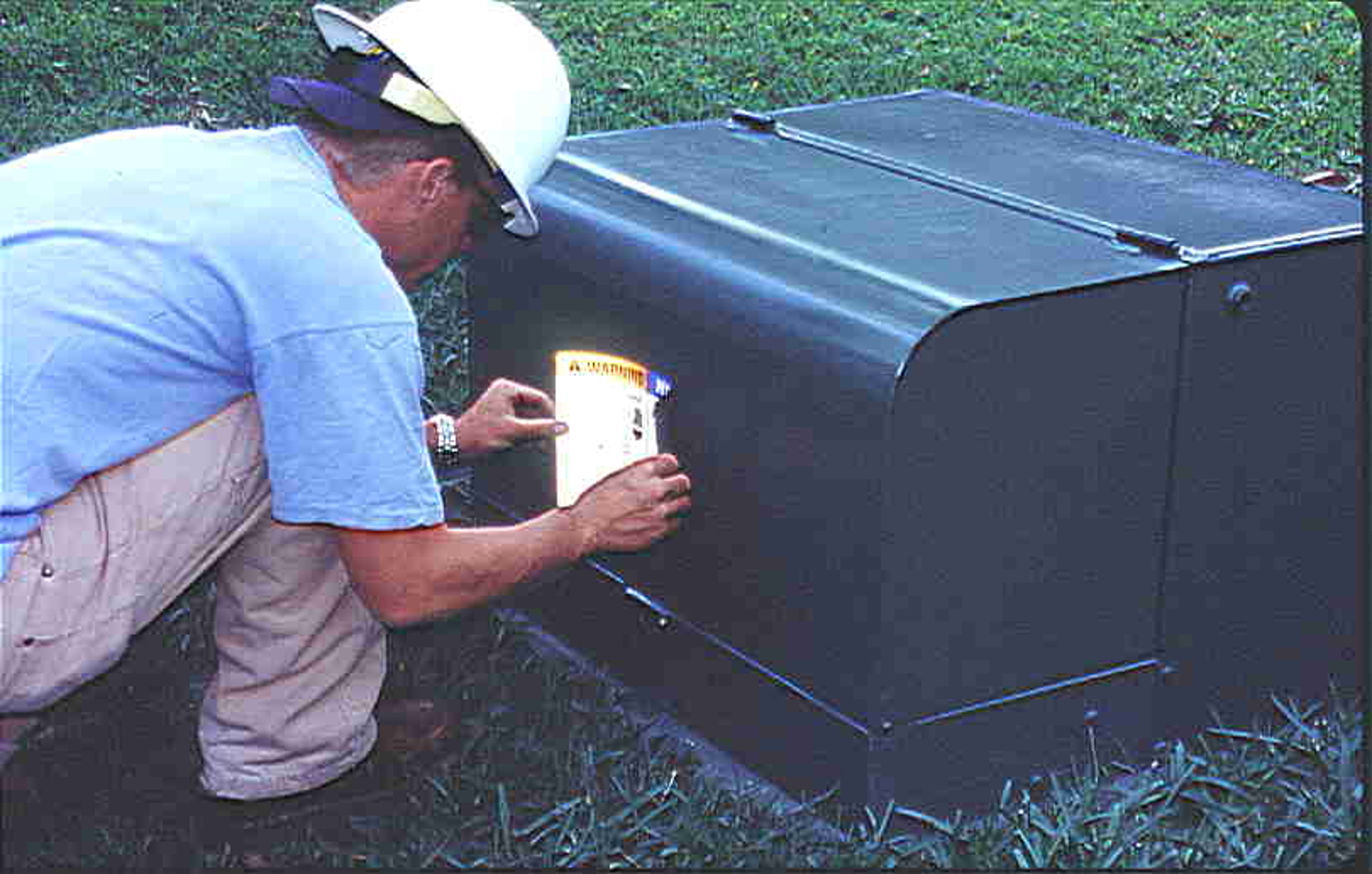
Inspection and Maintenance of Pad‑Mounted Transformers The geometry and construction of pad‑mounted transformers can accelerate corrosion damage and, in advanced cases, create public safety risks due to cabinet perforations and fluid leaks. This task focuses on identifying best‑in‑class practices for both internal and external inspections, while documenting known challenges and limitations associated with maintenance activities. In 2027, a peer‑reviewed report will be completed that provides guidelines for inspection, assessment, and maintenance of pad‑mounted transformers.
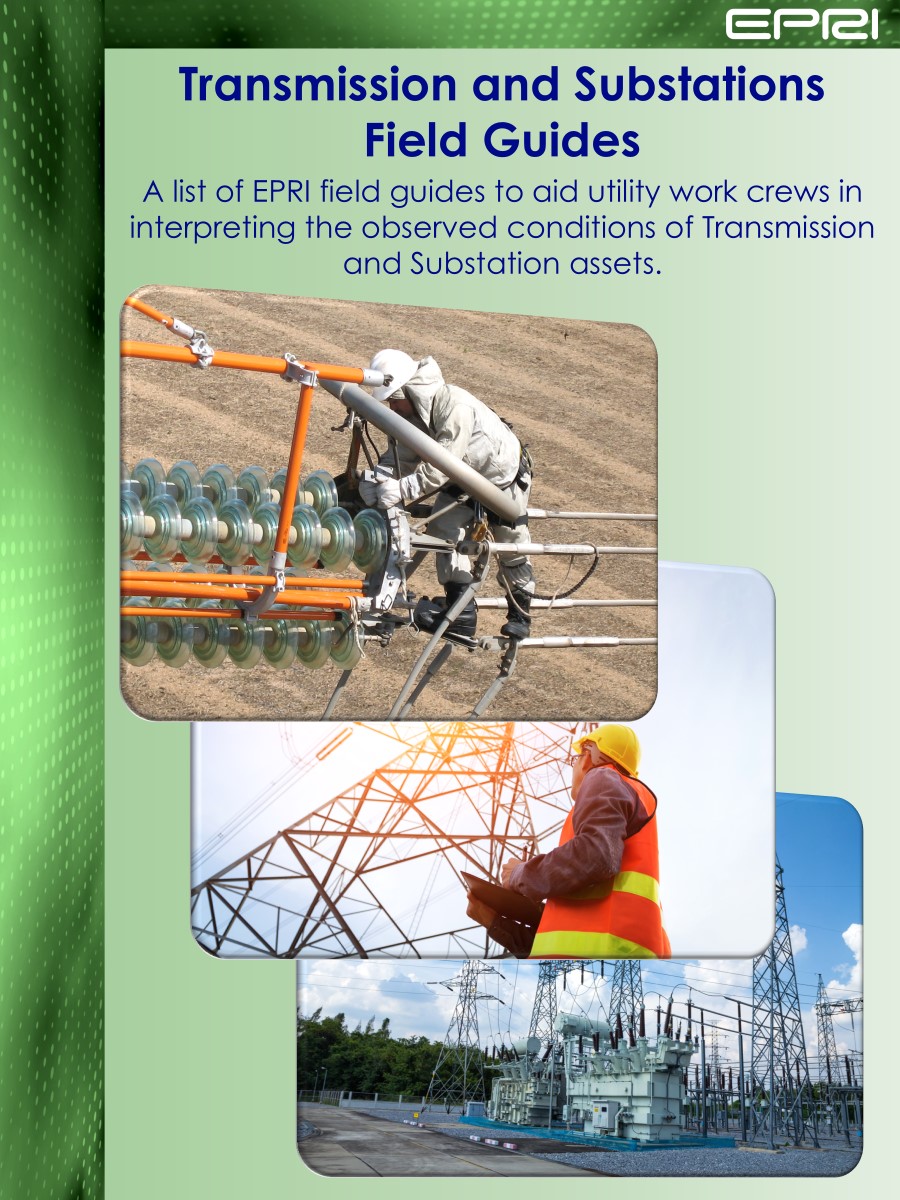
Field Guides Field guides are pocket‑sized reference documents that enable field personnel to identify corrosion mechanisms, assess severity, and prescribe appropriate corrective actions using visual indicators. In 2027, the second field guide—focused on ground grid inspection and assessment—will be published. This guide supports Tier II inspections performed by substation operators and grounding technicians with advanced skill sets.
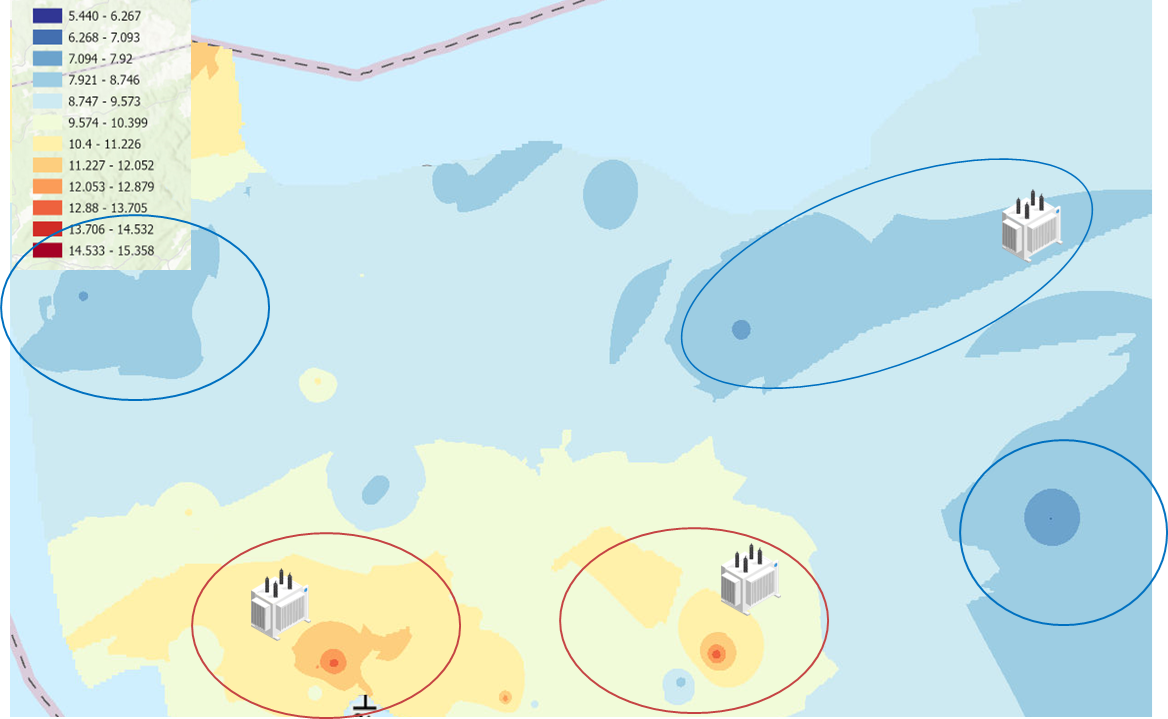
Atmospheric Corrosion Modeling in Substations Atmospheric environments within a substation can vary significantly due to energized equipment, proximity to generation facilities, site topography, and localized microclimates, complicating the prediction of corrosion-related maintenance needs. By developing corrosion rate data for steel, zinc, and aluminum in substation environments, asset managers can more accurately forecast maintenance requirements and replacement intervals. The 2027 report will provide guidance on modeling conductor degradation under atmospheric exposure in substation environments.
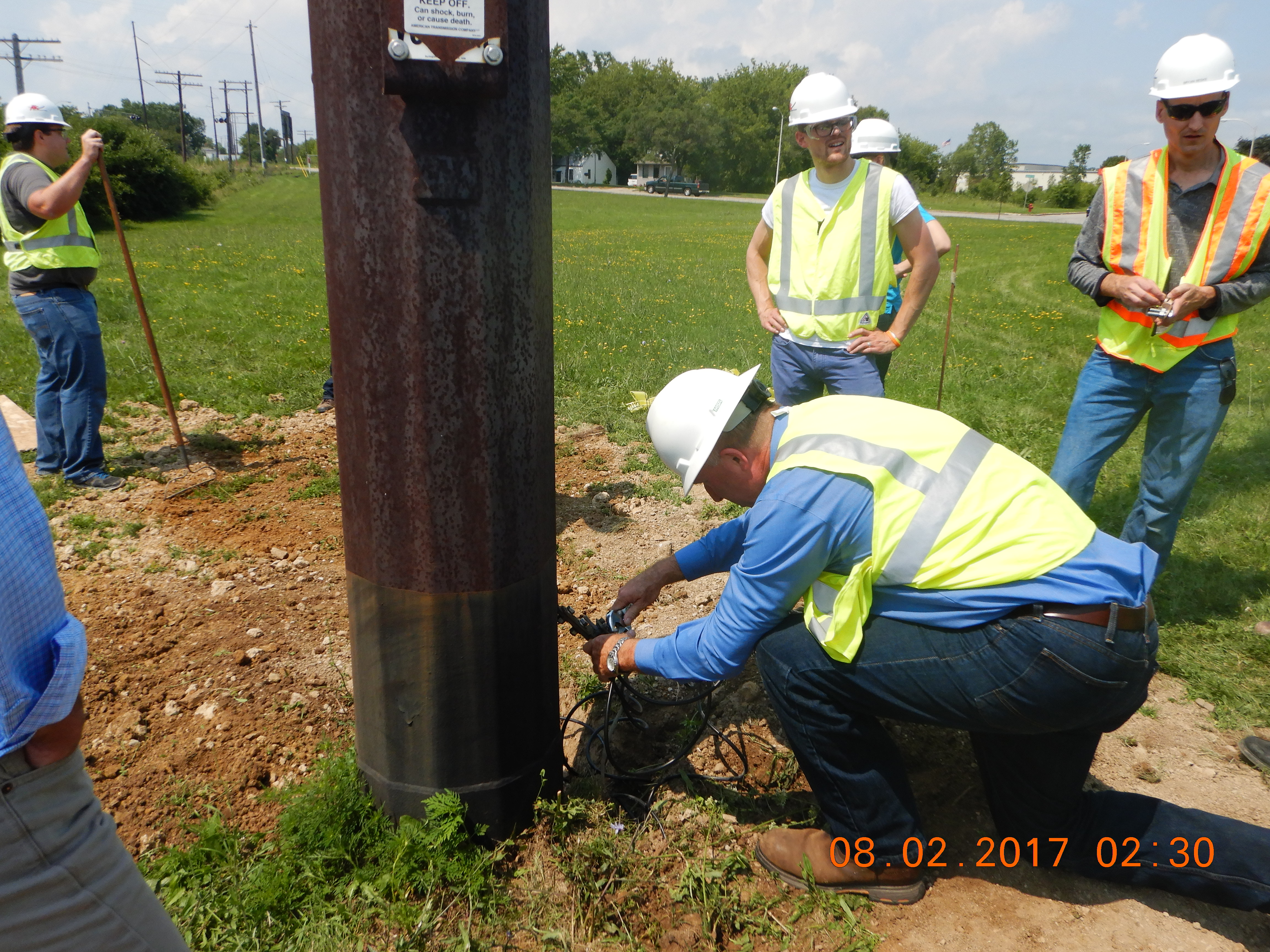
Corrosion and Corrosion Control Workshop This workshop combines corrosion theory with practical, hands‑on experience to support the assessment and application of corrosion control technologies. The 2027 workshop is designed for asset managers, engineers, maintenance supervisors, and field crews, and emphasizes practical methods for extending asset service life through informed inspection, assessment, and mitigation strategies.
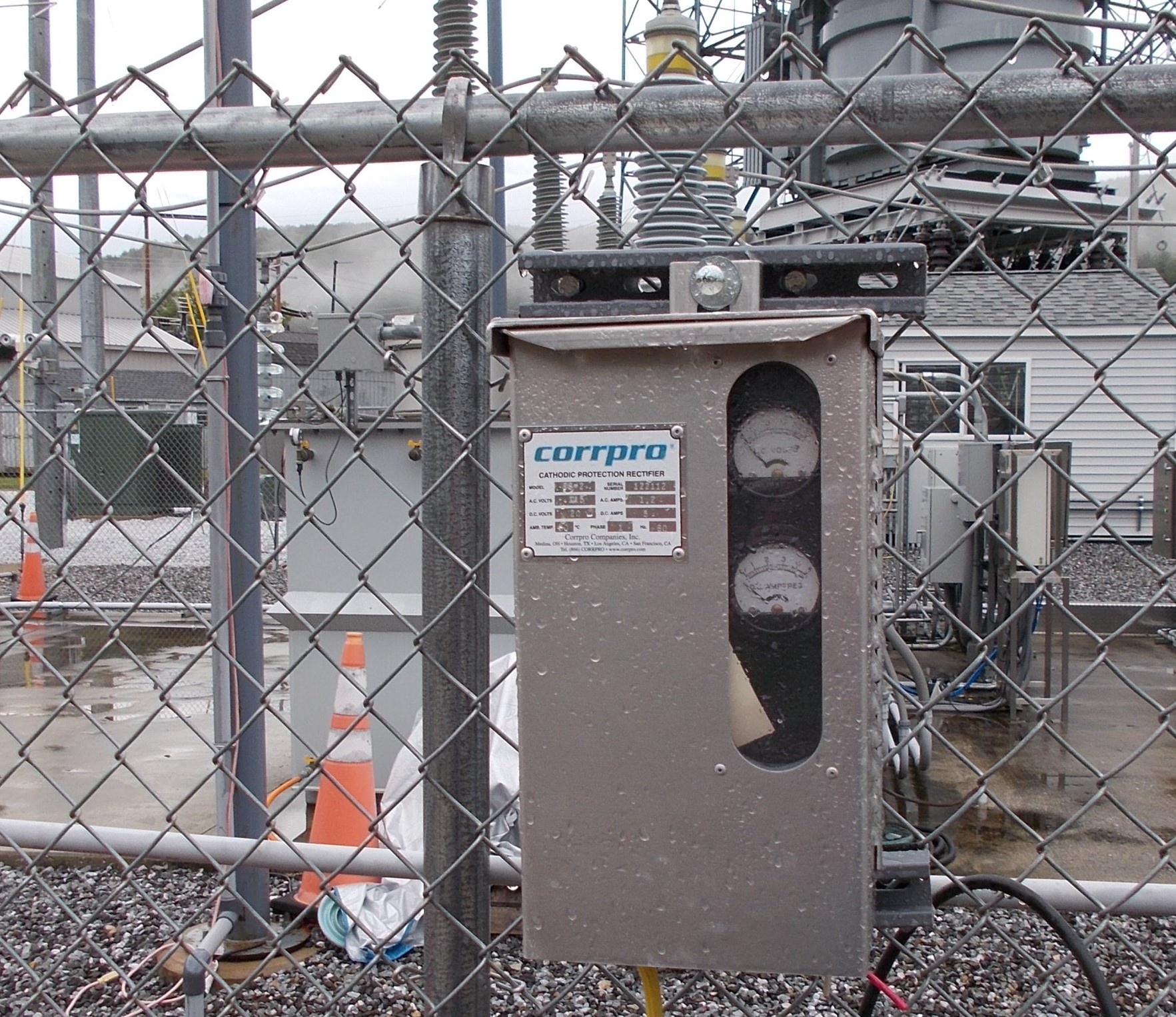
Cathodic Protection Guidelines This document provides guidance for the design, installation, and maintenance of impressed current cathodic protection systems. The intent of this document is to detail the requirements for a utility to develop a cathodic protection program, starting with purchasing groups, the engineering groups, and the maintenance groups.
Medium‑Term Research
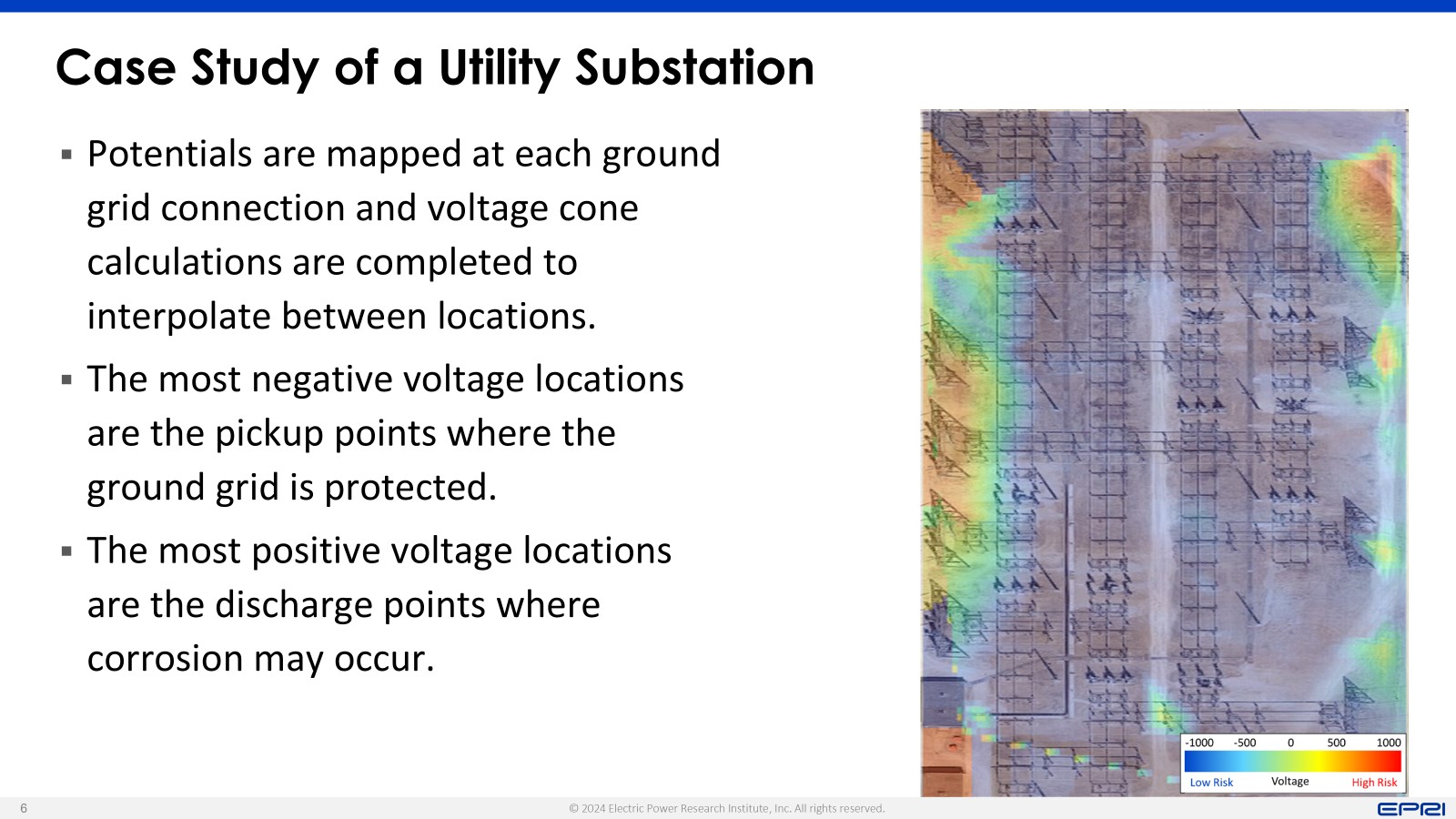
Mapping Equipotential Gradients within a Substation Monitoring and trending changes in ground grid condition offers a promising approach for understanding degradation rates; however, traditional data collection methods are labor intensive, time consuming, and present safety challenges. This research evaluates the use of autonomous robotic systems to map equipotential gradients within substations. By identifying changes in ground potential rise, these systems may enable detection and localization of degraded ground grid elements while reducing exposure of personnel to hazardous conditions.
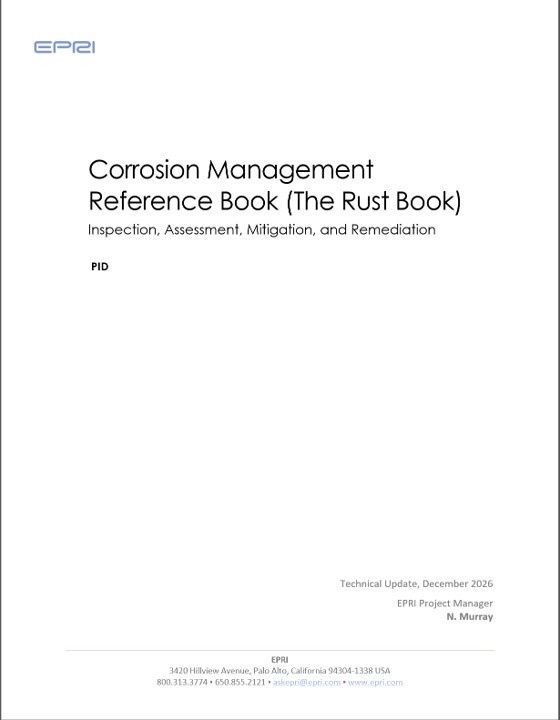
Corrosion Management Reference Book (“The Rust Book”) Comprehensive corrosion management guidance is needed across all areas of power delivery. This reference book will provide utilities with a unified framework for inspection, assessment, mitigation, and remediation applicable across departments. Content includes corrosion fundamentals, inspection and assessment methodologies, and guidance on selecting mitigation strategies that align with environmental conditions and asset types. Long‑Term Research
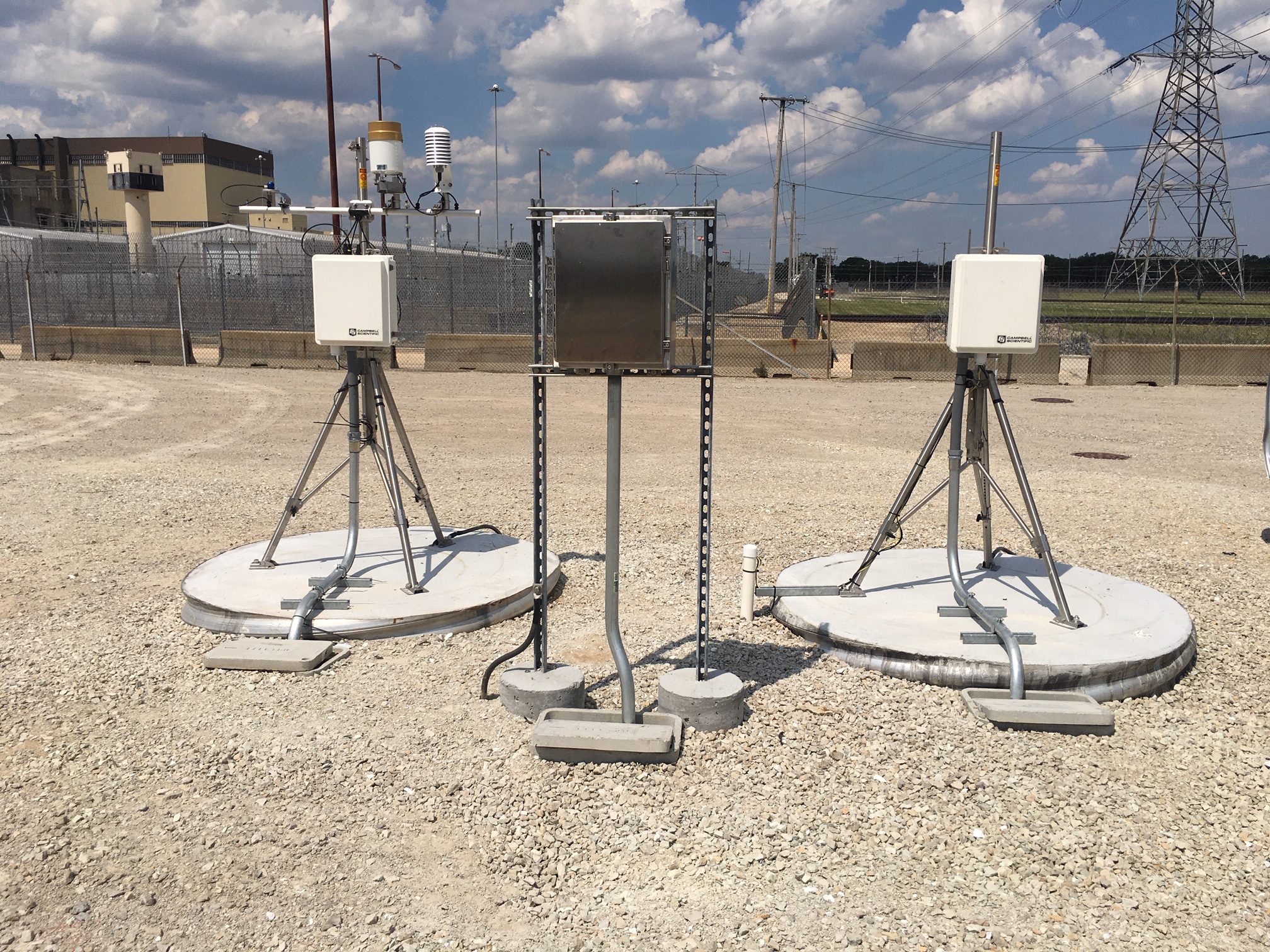
Sensor Development to Discriminate Between Corrosion Mechanisms Corrosion behavior is influenced by environmental factors such as moisture, temperature, pH, and stray or circulating currents. To distinguish between localized, general, and stray current corrosion mechanisms, EPRI has developed a sensor array capable of identifying and quantifying the severity of each corrosion type. In 2020, the array was expanded to incorporate atmospheric monitoring to correlate weather patterns with subgrade corrosion activity. Ongoing research focuses on analyzing large sensor datasets to improve understanding of diurnal and seasonal corrosion behavior for substation assets exposed to soil environments.
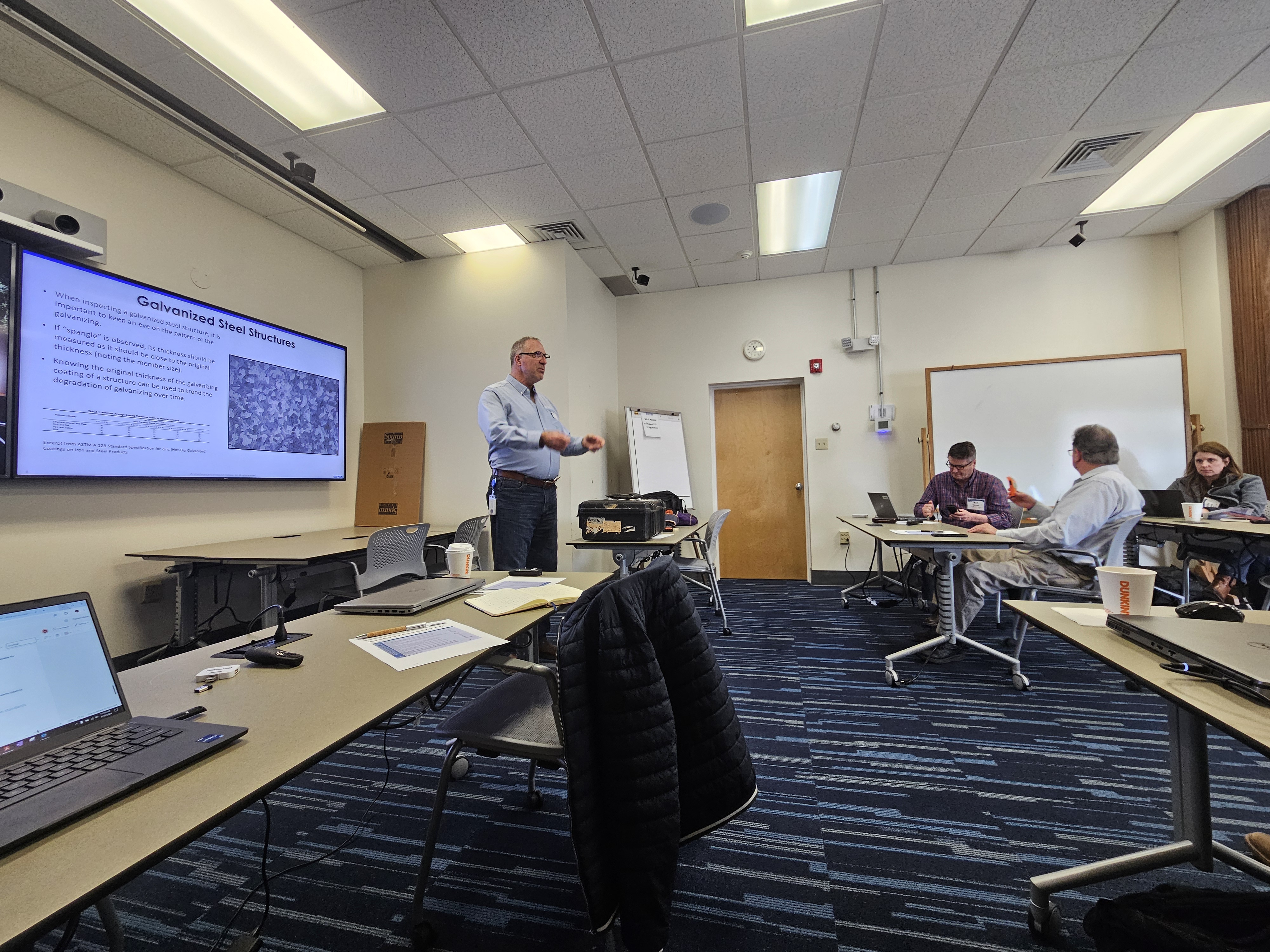
Substation Ground Inspection Workshop This workshop provides guidance to early career grounding engineers and substation operators on best practice methods for ground grid inspection and assessment. The workshop covers corrosion fundamentals, defines tier based inspection skill sets, and outlines inspection workflows associated with each tier to support consistent and effective ground grid condition assessment.
Provide Tools and Resources on the Transmission Resource Center: the following calculators, tools, result summaries, and references are planned to be available on the Substation Corrosion Management Transmission Resource Center:
| Resource Title | Resource Type |
|---|---|
| Substation H-Frame Inspection Report: | Results Summary |
| Substation Ground Grid Corrosion Study 1 | Results Summary |
| Substation Ground Grid Corrosion Study 2: | Results Summary |
| Corrosion Monitoring System (CMS) | Results Summary |
| New Life Cycle Decision Tools for Asset Managers, Engineers and Maintenance Personnel | Tools |
| Subgrade Corrosion Map Update S | Video Highlights |
| Coating System Selection and Application: Case Study Update: | Video Highlights |
| Corrosion Behavior of Sub-Grade Mechanical Fasteners | Video Highlights |
| Cathodic Protection and the Effects of Stray Current | Video Highlights |
Anticipated Deliverables
| Deliverable | Type | Date |
|---|---|---|
| Ground Grid Inspection Workshop | Technical Update | 12/31/2027 |
| Field Guide: Tier II Ground Grid Inspections | Technical Update | 12/31/2027 |
| Fleet Management Guidelines for Concrete Foundations | Technical Update | 12/31/2027 |
Past EPRI Work on Topic
| Product ID | Title | Description | Published Date |
|---|---|---|---|
| 3002015683 | Ground Grid Protection Methods: An Overview of Mitigation Options | Identifies corrosion control measures and evaluates which are most appropriate for each initiation mechanism. | December 2019 |
| 3002019215 | Inspection and Assessment for Substation Ground Grids | Selection and application of tools for ground grid corrosion inspections. | December 2020 |
| 3002021374 | Ground Grid Protection Methods: Cathodic Protection Changes with Increased Impedance | Refines the efficacy of a cathodic protection system as segments of a ground grid are removed from operation. | December 2021 |
| 3002024603 | Evaluation of Ground Grid Inspection Technologies | This deliverable continues the evaluation of new and emerging inspection technologies but also begins development of a training module for early career engineers, technicians, and field crews | December 2022 |
| 3002027081 | Workshop for Corrosion Fundamentals and Corrosion Control | This course is designed to support all departments within transmission and distribution and allow an understanding of how to extend the service life of their assets. | December 2023 |
| 3002030039 | Field Guide: IAM of Substation Ground Grids | Substation Ground Grid Inspection and Assessment Field Guide | December 2024 |
| 3002032909 | Monitoring Ground Grid Performance Final | The best method to understand corrosion is to monitor and trend. This development allows monitoring of the ground grid but also the environmental factors governing the corrosion rate. | December 2025 |