P35.013: Overhead Line Ratings and Increased Power Flow
Objective
The objective of this project is to support increased utilization of transmission assets to maximize power flow while effectively managing associated risks. Achieving this objective requires balancing growing energy demands with the cost, complexity, implementation timelines, and regulatory considerations associated with various transmission capacity enhancement strategies. Utilities are increasingly required to identify solutions that are appropriately sized for expected needs or that represent “no‑regrets” investments under uncertain future conditions.
By enabling more informed optimization of transmission capacity, this project supports more efficient, reliable, and resilient grid operation. Leveraging an improved understanding of operational risks and available mitigation approaches, utilities can better balance near‑term risks—such as maintaining statutory electrical clearances—with longer‑term considerations, including asset aging and reduced service life.
Given the continual evolution of applicable hardware, software, analytical methods, standards, and grid‑enhancing technologies, ongoing efforts are required to track performance, implementation experience, and lessons learned from field applications. This project is intended to capture, document, and synthesize knowledge related to the selection, design, and application of transmission ratings and uprating methods. Utilities can leverage this information to better understand and manage the interaction of legacy practices, emerging regulations, evolving technologies, and industry disruptors when making transmission capacity and investment decisions.
Research Value
This project addresses multiple industry needs by supporting improved understanding, evaluation, and implementation of transmission uprating strategies, including the following:
- Documenting lessons learned from utility uprating projects implemented worldwide to inform future planning and execution.
- Assessing the performance and applicability of commercially available uprating technologies under a range of operating conditions.
- Quantifying the cost, system risks, implementation complexity, and time required for alternative uprating approaches.
- Improving rating accuracy through laboratory testing and characterization of utility conductors.
- Developing methods to more effectively leverage existing data, monitoring systems, and transmission assets.
- Exploring emerging and novel uprating technologies and identifying gaps in current practices, tools, and standards.
- Comparing traditional uprating approaches (e.g., reconductoring, nip‑and‑tuck, voltage uprating) with emerging solutions, including advanced transmission technologies (ATTs), grid‑enhancing technologies (GETs), fiber‑optic sensing, and dynamic line ratings (DLR).
- Tracking evolving standards and regulatory requirements to support the development and application of industry best practices.
- Validating transmission rating methods and analytical models using both laboratory and field‑based testing.
- Providing reference documents, guidance materials, and training resources to support utility engineers and planners.
- Developing practical engineering software tools to support transmission rating and uprating decision‑making.
Approach
The following tasks form part of the work conducted under this project:
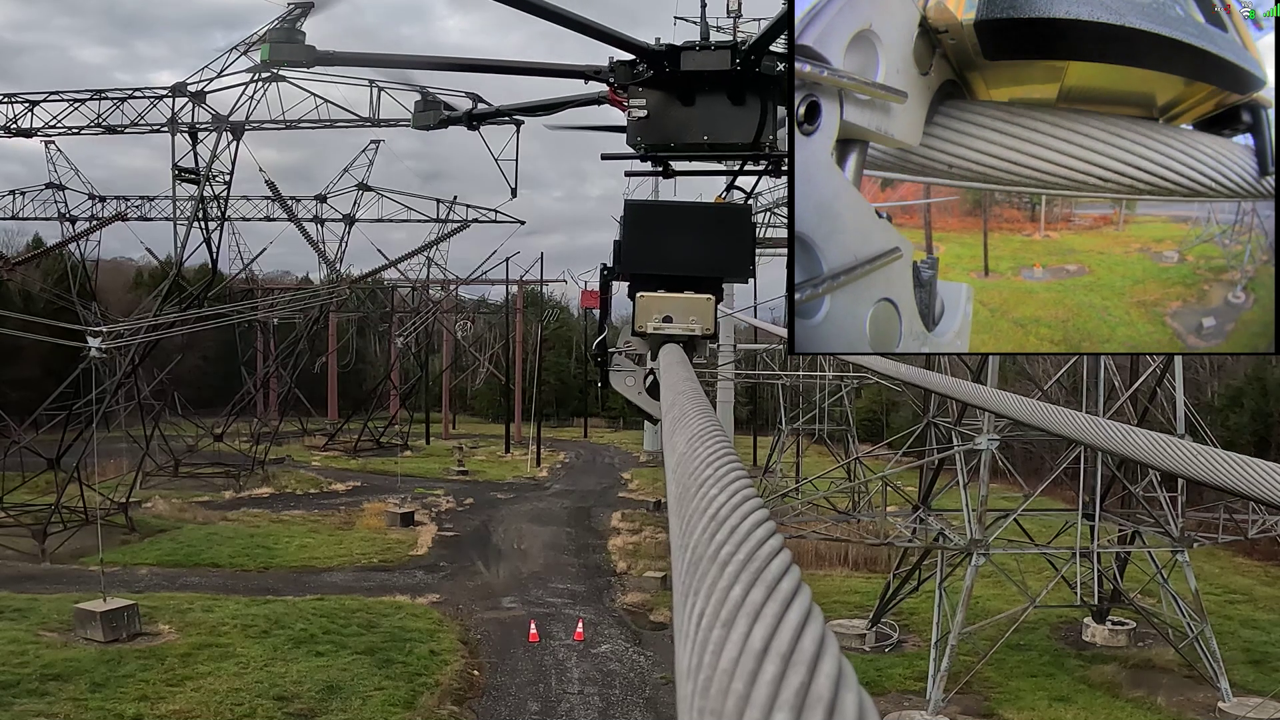
Use of Light Detection and Ranging (LiDAR) Technologies and Unmanned Aerial Systems (UAS) for Ratings: As there is increasing industry need and pressure to apply DLR technologies, utilities are seeking faster, lower cost ways to deploy them, preferably without an outage. One method is to use UAS to install the sensors. Present experience has seen an increased failure rate of sensors during energized installation, and a number of drone crashes. For this task, EPRI’s UAS team intends to collaborate with the ratings team to extract lessons learned form past failures and provide workflows that contain improved practices, that intends to reduce the risk of failures during future installation efforts. This report is part of a series on stakeholder coordination, to help bridge the gap between technical areas which can be siloed within utilities.
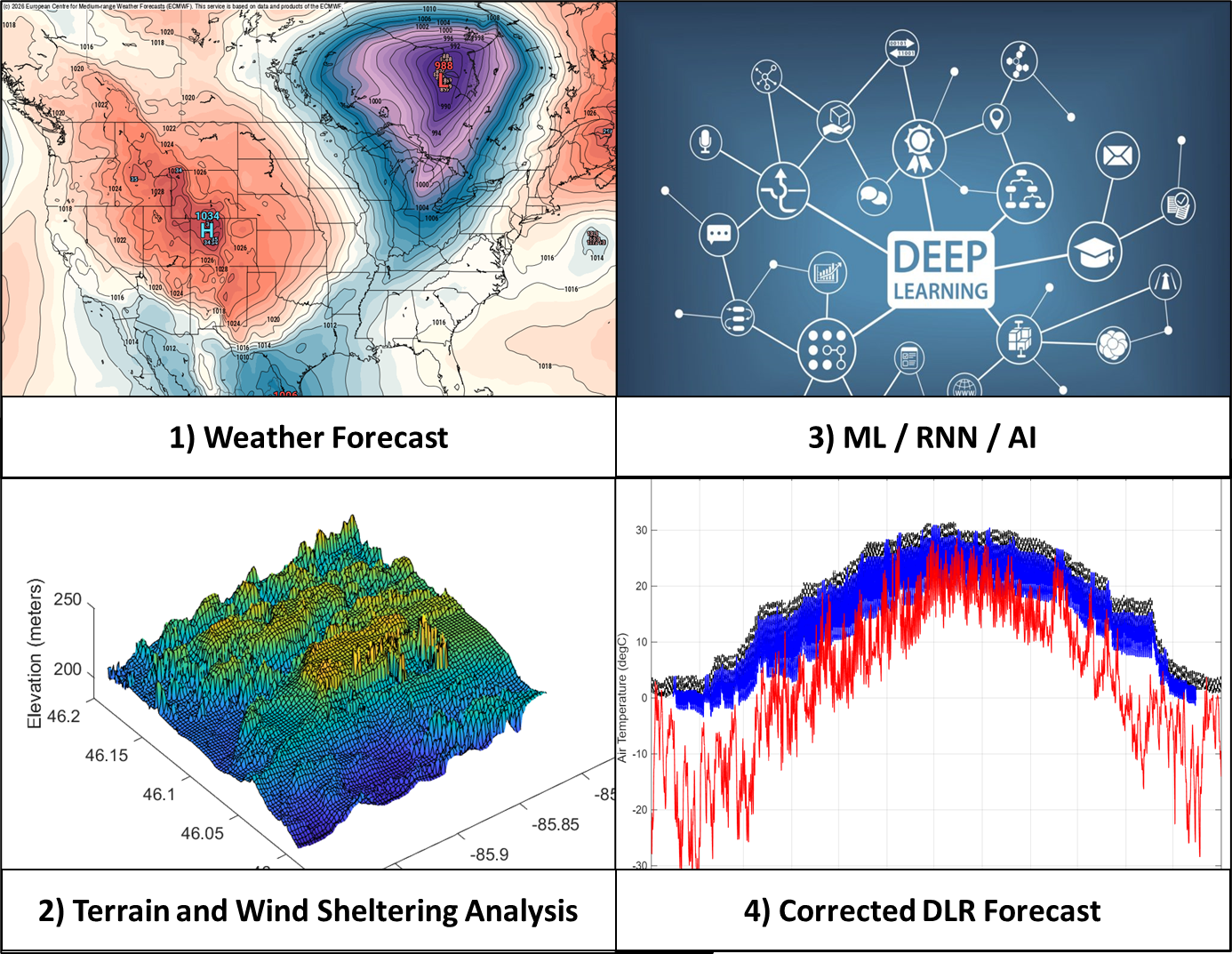
Forecasted Ratings and Modeling: Both hardware and software based DLR vendors offer capacity forecasting. Accurate forecasted ratings are crucial to being able to safely adopt DLR, and to avoid both safety and economic consequences from re-dispatching capacity. EPRI has been collecting forecast data across multiple utility DLR pilots. This update intends to share anonymized learnings from the field, and show fully worked examples using publicly available weather models. Methods to reduce risks intends to be demonstrated for different forecast models and climate types. Recommendations intends to be provided for model selection, and handling the high uncertainty / variability of DLR. Low-cost alternatives to commercial DLR intends to also be demonstrated.
Wide-Area and Long Circuit Ratings and Uprating for Unique Scenarios: Datacenters, Storage, and Renewables: These two research task areas have a common thread which is high voltage direct current (HVDC) transmission lines. Internationally HVDC has been increasingly considered for scenarios where high capacity gains are needed. This is a unique tool deployed when capacity gains are needed at two times the capacity or more, or when the line constraint is due to voltage drop or stability instead of thermal/clearance limitations. A report is planned to cover the key concepts of when to consider HVDC and to capture a practical example that covers both potential benefits, and key tradeoffs for initial selection.
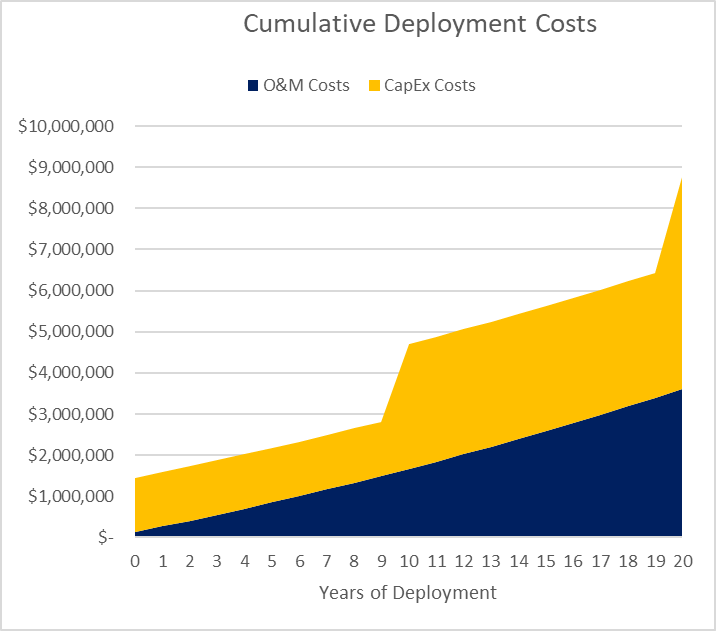
Life-Cycle Costing of Capacity Projects: Utilizing EPRI’s past research, web-based tools are available on the Transmission Resource Center estimating the cost of losses and life-cycle costing of DLR. Additional uprating project costing tools intends to be developed leveraging the Platinum Book and recent reports on uprating projects. These tools intend to allow utilities to rapidly access a citable resource when responding to NOFO or developing initial RFI templates for uprating projects.
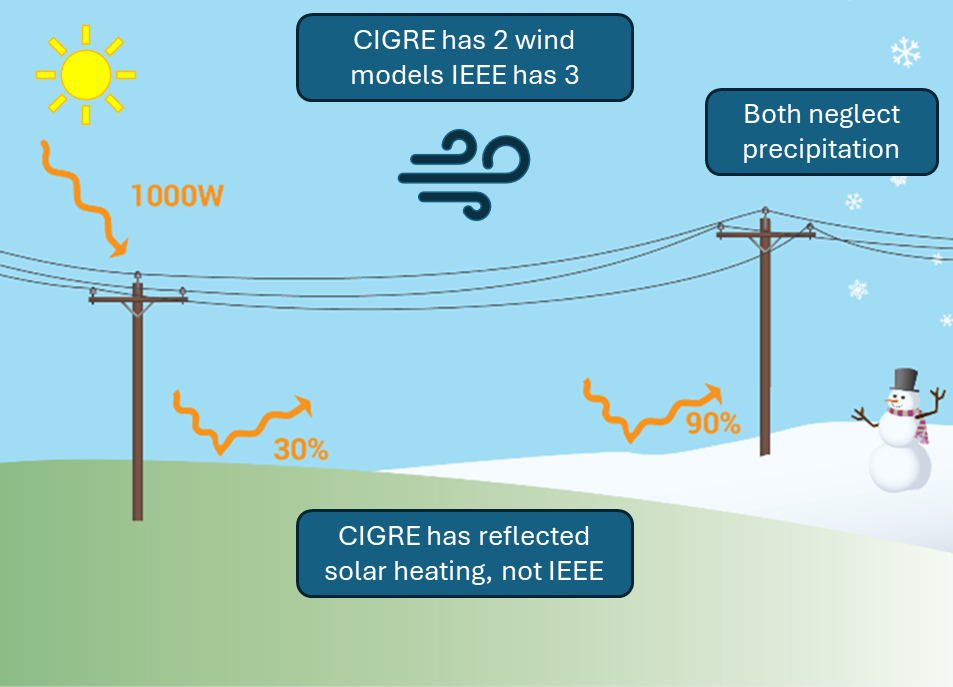
Evaluating Practices and Standards: While North American utilities primarily use IEEE Std 738 for overhead ratings, there are alternatives within CIGRE, IEC, and several regional standards in use around the globe. This task intends to unpack the technical differences between the different rating methods and discuss potential methods to align the best components from each. Several ambient adjusted ratings (AAR) and DLR technology providers offer ratings from the standards which can differ by up to 10%. This review intends to allow utilities to make informed decisions about methodology selection and improve their technical justification for that selection.
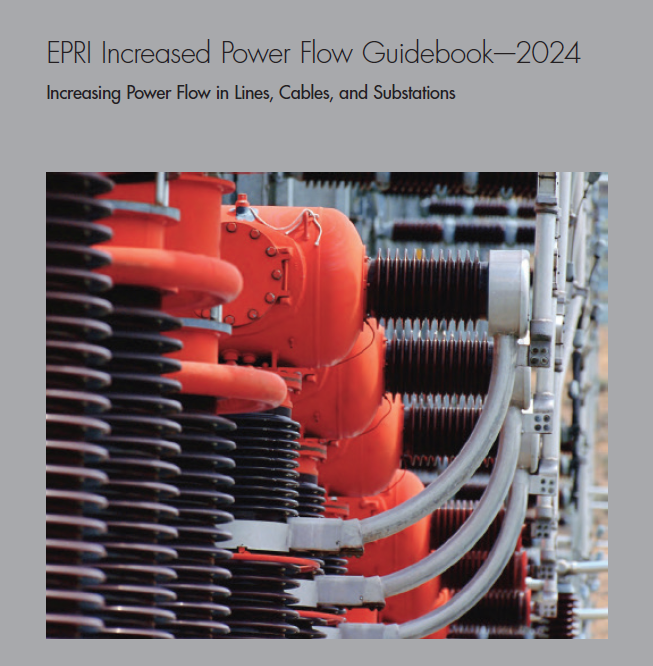
Update The Platinum Book: The Increased Powerflow Guidebook (The Platinum Book) is updated annually and covers all aspects of uprating. The guide covers overhead lines, underground cables, substations, transformers, and the economics of staged upgrades. As part of this task EPRI collates materials from published EPRI reports and industry standards for power flow such as IEEE, IEC, and CIGRE. In 2026 EPRI planned to update discussions of CIGRE TB 601 ensure sections for both twisted pair and coated conductor are brought up to date.
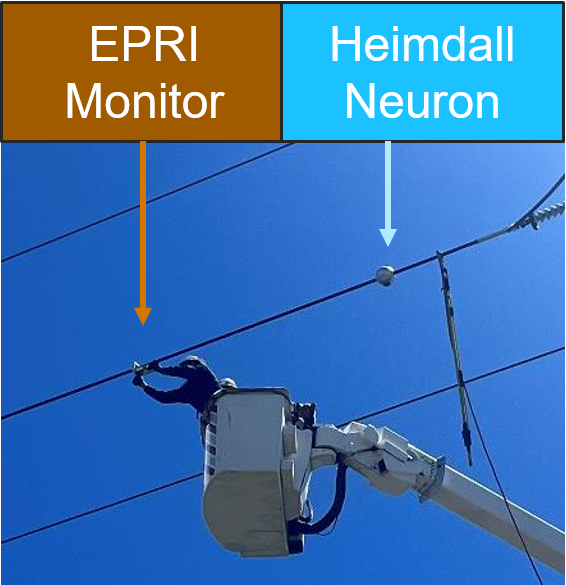
Document Grid Enhancing Technologies (GETs) Field Trials: Many utilities are working with EPRI to pilot emerging technology, such as DLR sensors, to get hands on experience with the new tools and practices. EPRI collaborates with members to provide guidance, capture lessons learned, and provide data needed to do performance evaluations. The findings are brought back to members via presentations by the host utility which are then added to the TRC. Performance data on DLR sensors and software are used to update the “Dynamic Line Rating Technology Database”
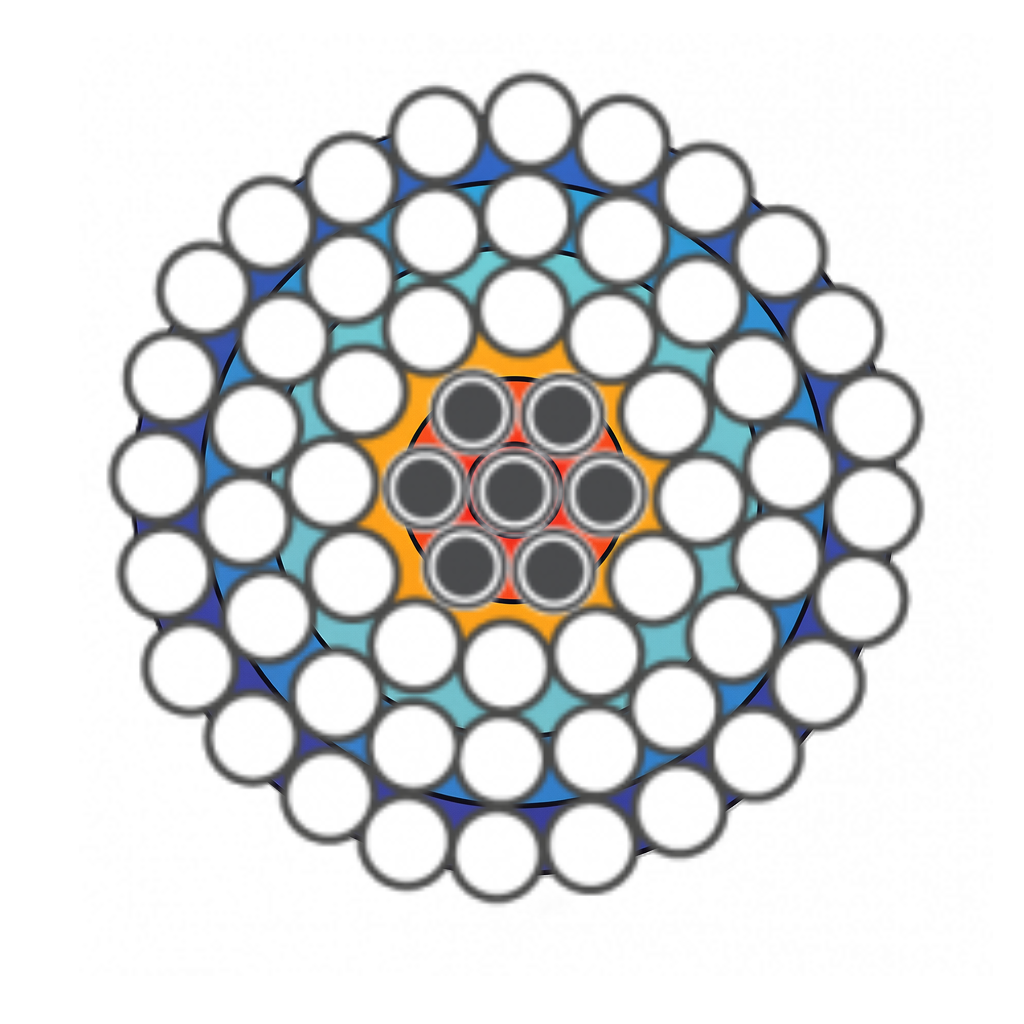
Develop Guidance on Radial Conductor Temperatures and Ratings: Due to the fundamental properties of heat transfer transmission conductors are hotter at the core than the outer surface. The increased core heat can lead to line sag being greater than projected in software models. Neglecting this factor can cause in incorrect line ratings and increased risk of clearance violations. These challenges would be amplified by the adoption of GETs. Following the testing update from a 2026 report, modeling and analysis intends to be performed during 2027.
• Provide Tools and Resources on The Transmission Resource Center: The TRC hosts various resources. The following calculators, tools, result summaries, and references are planned to be available on the Line Ratings and Increased Power Flow Transmission Resource Center:
| Resource Title | Resource Type |
|---|---|
| Radiative Cooling (IEEE Std 738-style) | Calculators |
| Platinum Book Calculator: Breakers (Gas Filled) | Calculators |
| Platinum Book Calculator: Conductor Selection & Cost of Losses | Calculators |
| LiDAR Collection for Uprating – Planning Tool | Calculators |
| Dynamic Line Rating Technology Database | Calculators |
| DLR Life Cycle Cost Estimator | Calculators |
| Conductor Resistance Conversion Calculator | Calculators |
| Sunrise–Sunset Calculator for Day–Night Ratings | Calculators |
| Solar Flux Calculator | Calculators |
| Platinum Book Calculator: Switch Ratings | Calculators |
| Platinum Book Calculator: Wave Trap Ratings | Calculators |
| Platinum Book Calculator: Round Bus (IEEE 605) | Calculators |
| Ambient Adjusted Ratings Calculator (FERC 881) | Calculators |
| Uprating Alternatives Ranking Tool (ART) | Calculators |
| Overhead Line Wind Sheltering Converter (MOST method) | Calculators |
| Comparing IEEE and Ratings Research Recommendations for LiDAR | Research Result Summaries |
| Weather Based DLR Field Trials at BPA | Research Result Summaries |
| Ratings Information Session, FERC 881 Update and WindSim DLR Field Trial | Research Result Summaries |
| Capacity Gains from Thermal Uprating | Research Result Summaries |
| Ambient Adjusted Ratings and FERC 881 | Research Result Summaries |
| DLR Using a PMU and Topolonet | Research Result Summaries |
| Conductor Emissivity & Absorptivity Test Results 2006-Present | Research Result Summaries |
| Update on DLR Field Trials at Xcel Energy | Research Result Summaries |
| Answers to Several Frequently Asked Questions on DLR | Reference Information |
| Commonly Used Terms and Abbreviations | Reference Information |
| Conductor Emissivity Testing | Reference Information |
| Solar Heating | Reference Information |
| Variation in AAR Based on Daily Air Temperatures | Reference Information |
| Fingrid adoption of Gridraven DLR | Reference Information |
| Understanding conductor skin & proximity effects on ratings | Reference Information |
Anticipated Deliverables
| Deliverable | Date |
|---|---|
| Guidance for Unmanned Aerial Systems (UAS) Installation of Dynamic Line Ratings (DLR) Sensors | 12/31/2027 |
| Forecasted Ratings Update – Do It Yourself Dynamic Line Ratings (DLR) Forecasting | 12/31/2027 |
| Considering High Voltage Direct Current (HVDC) for Uprating | 12/31/2027 |
| Selecting Ratings Methods – IEEE, CIGRE, and International Standards | 12/31/2027 |
| Increased Power Flow Guidebook (The Platinum Book) | 12/31/2027 |
Past EPRI Work on Topic
| Product ID | Title | Description | Published Date |
|---|---|---|---|
| DLR Field Demonstration Guide | Many DLR pilots have not led to actionable data or safe DLR adoption. This report provides a guide for successful piloting of DLR technologies. Using 15 years of lessons learned from the field – this guide provides best practices and project milestones needed to improve the success rate and scalability of DLR pilots. | December 2026 | |
| Uprating for Data Center Load Growth | This report covers the use of the EPRI ART (alternatives ranking tool) and the differences in the decision-making process for uprating when increased demand is far above load growth encountered in traditional practices. | December 2026 | |
| 3002032788 | Technical Review of Methods Used to Determine Dynamic Line Ratings (DLR) | This report provides a technical deep dive into how DLR sensors and sensor-less DLR operate. Worked examples are provided to show error sensitivity and the precision needed to result in suitably accurate ratings. | December 2025 |
| 3002032789 | Summary of Recent Increased Transmission Line Utilization Projects: 69 kV and above | This report captures case studies where utilities have uprated lines or increased the utilization of a given corridor. It includes reconductoring, re-tensioning, structure raising, voltage upgrades, DLR, and more. The pros and cons of each approach are provided to help utilities identify which methods will best suit their particular needs. | December 2025 |
| 3002029601 | EPRI Research Facilitating Adoption of FERC Order 881: AAR, seasonal, emergency, forecasted ratings and concerns for next limiting elements | This report compiles 5 years of research on best practices for adoption of new ratings methods as outlined in FERC Order 881 within the US. | December 2024 |
| 3002029602 | Understanding Historical Trends with Climate Events and Their Impact on Transmission Ampacity | This report expands past research to define how much capacity would be needed from DLR, AAR, or other upgrades to reduce congestion when responding to large outages or demand spikes. | December 2024 |
| 3002030266 | Cost-Effective Measures to Resolve Under-clearance Spans | This report compares the cost, complexity, and time to complete for multiple technologies that increase transmission capacity on clearance limited lines. Including guidance on reducing errors in clearance models based on LiDAR and UAS data. | December 2024 |